Henry Stuart
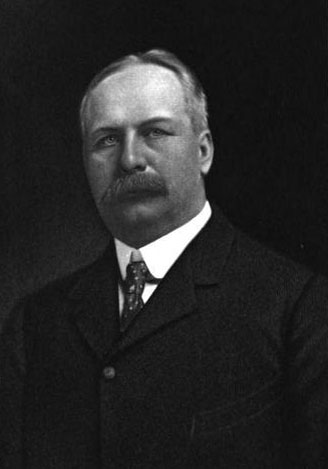
Henry Carter Stuart
U.S.A.

Social Media

Personal Background
Henry Stuart holds a robust background in business and public service. Graduating from Emory and Henry College, he inherited and expanded his family's salt company into a prominent cattle enterprise. Stuart's political career began with significant involvement in the Democratic Party, where he played a role in the popular election of senators. He served in the State Corporation Commission, where he regulated railroads and increased corporate taxes. Stuart's leadership was pivotal during the Virginia Constitutional Convention, where he helped reform the state constitution. As Governor of Virginia, he enacted a statewide prohibition on alcohol sales and reformed the tax system, significantly increasing state revenues. His contributions during World War I included encouraging home food gardens and managing martial law in a key industrial town. Post-governorship, Stuart continued to influence policy through federal service and opposition to road construction bonds.
Political Ideas
Henry Stuart's political identity is marked by a blend of progressive economic regulation and conservative social policies. His tenure in the State Corporation Commission saw him champion corporate regulation and higher taxes, yet his governorship brought forth stringent prohibition measures. Stuart's opposition to road construction bonds reveals a fiscal conservatism rooted in skepticism towards long-term debt. His wartime actions, including enforcing martial law in Hopewell, demonstrate a readiness to take decisive measures for national interests. This mix of progressive economic policies with conservative social and fiscal measures presents an intriguing ideological duality.