Henry W. Anderson
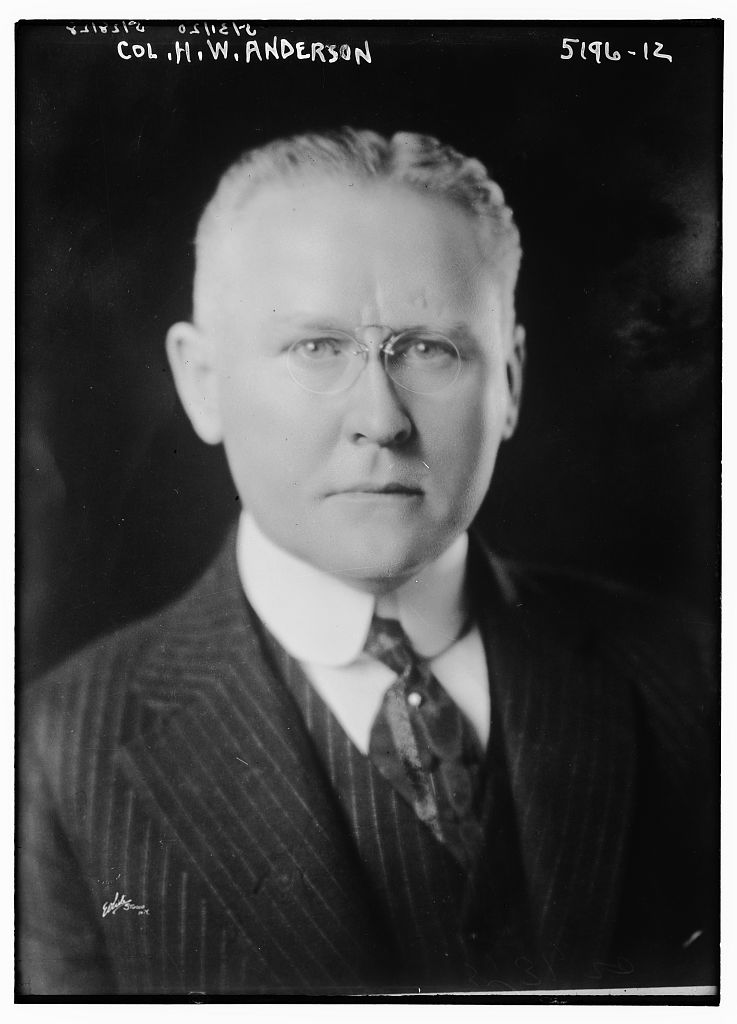
Henry W. Anderson
U.S.A.

Social Media

Personal Background
Henry W. Anderson holds a law degree from Washington and Lee University and was admitted to the bar early in his career. He spent significant time in high-finance and public service, managing institutional risk before transitioning to the public sector. During World War I, Anderson commanded an American Red Cross Commission and later served as a Red Cross commissioner for the Balkans. His legal career included pioneering corporate reorganization for major industries and contributing to the development of the 1939 Bankruptcy Act. Anderson also served on the Wickersham Commission, focusing on law enforcement and criminal justice issues.
Political Ideas
Henry W. Anderson's political identity is marked by an ideologically agile approach, blending progressive economic reforms with conservative fiscal discipline. His advocacy for the abolition of the poll tax and improvement of highways reveals a surprising alignment with progressive social goals, yet his emphasis on fiscal responsibility suggests a conservative underpinning. Anderson's role in corporate reorganization and bankruptcy law showcases a unique intersection of legal and economic policy, hinting at a calculated strategy to balance regional industrial interests with broader systemic reforms.