Hjalmar Petersen
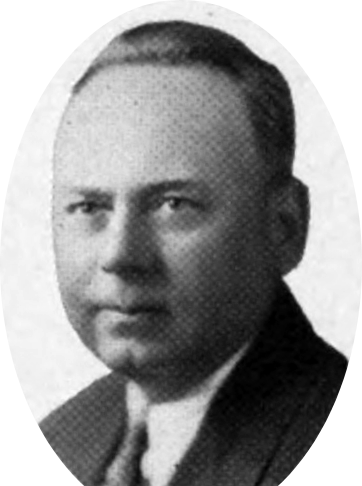
Hjalmar Petersen
U.S.A.
Social Media

Personal Background
Hjalmar Petersen began his career in journalism and later purchased a newspaper, establishing a foundation in media and public communication. He transitioned into politics, serving multiple terms in the Minnesota House of Representatives and later as Lieutenant Governor. Petersen assumed the governorship following the death of his predecessor and subsequently held a position as Railroad and Warehouse Commissioner. Despite multiple attempts, he did not secure further electoral victories but remained active in public service and business leadership roles.
Political Ideas
Hjalmar Petersen's political journey reveals a strategic ideological flexibility, switching from the Republican Party to the Farmer-Labor Party, suggesting an approach that is highly localized and responsive to regional dynamics. His sponsorship of the state income-tax law while advocating for public education funding indicates a nuanced economic stance that balances fiscal responsibility with social investment. Petersen's opposition to FDR's third term demonstrates a commitment to traditional political norms, contrasting with his otherwise progressive policy advocacy. His career trajectory, from journalism to governorship, underscores a deeply rooted commitment to public service, marked by a calculated approach to policy that often merges unexpected alliances and positions.