Hobart Bigelow
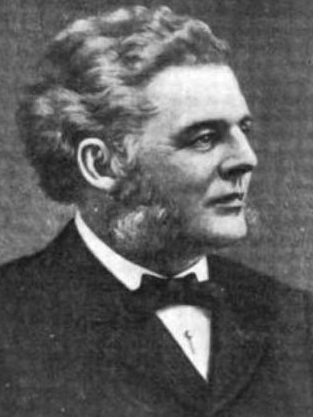
Hobart Baldwin Bigelow
U.S.A.

Social Media

Personal Background
Hobart Bigelow began his career as a machinist before purchasing the Bigelow Manufacturing Company, later known as H.B. Bigelow & Co. He served in various political roles, including councilman, member of the Connecticut House of Representatives, and mayor of New Haven. Bigelow was elected governor of Connecticut and enacted significant legislation, including measures to regulate workplace safety and election integrity, and founded the Storrs Agricultural School. After retiring from public service, he remained active in business and politics.
Political Ideas
Hobart Bigelow's political career reveals an intriguing blend of progressive regulatory advocacy and fiscal conservatism. His support for fire escape regulations for larger companies juxtaposes with his efforts to reduce assessments on mutual life insurance companies, suggesting a nuanced approach to economic policy. Bigelow's founding of the Storrs Agricultural School highlights his commitment to education reform, while his legislative work against deceptive election practices underscores a dedication to electoral integrity. This combination of targeted economic regulation and educational investment, alongside a wariness of excessive taxation, paints a picture of a candidate who balances progressive ideals with a cautious fiscal strategy.