Hugh L. White
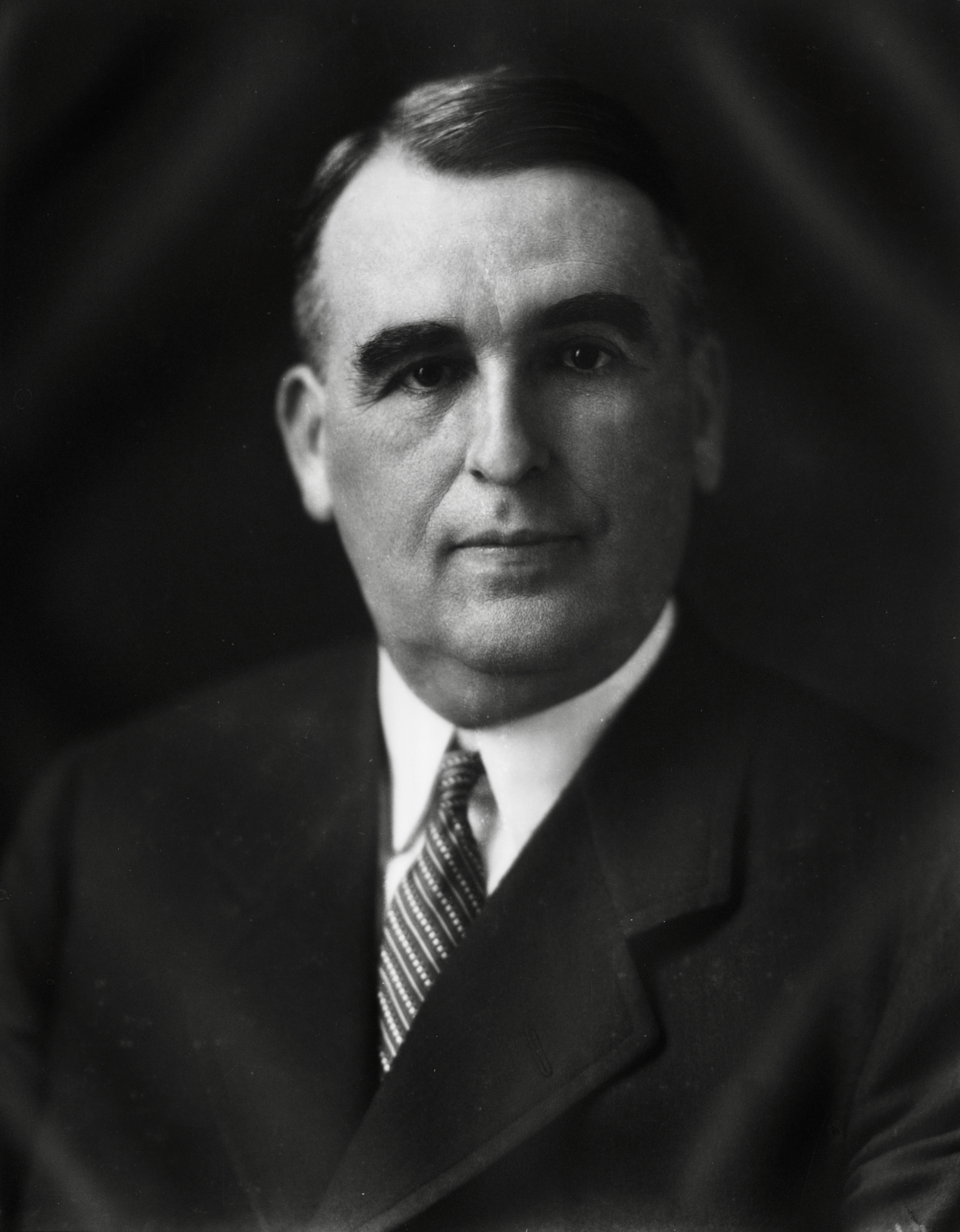
Hugh L. White
U.S.A.

Social Media

Personal Background
Hugh L. White graduated from Soule's Business College in 1898 and later attended the University of Mississippi. He began his career as an industrialist, owning the J.J. White Lumber Company. White transitioned into public service, serving as mayor of Columbia, where he attracted significant industrial investment. He then served two terms as governor, during which he implemented the Balance Agriculture With Industry (BAWI) program, expanded infrastructure, and addressed school segregation. White's political career culminated in the formation of the Dixiecrat Party and his vocal condemnation of racial violence.
Political Ideas
Hugh L. White's political career reveals a complex blend of industrial advocacy and civil rights condemnation. His BAWI program exemplifies an unexpected convergence of economic and racial policies, hinting at a highly localized strategy to balance industrial growth with racial equity. White's vocal condemnation of the lynching of Emmett Till juxtaposed with his segregationist stance on education reveals a deeply nuanced approach to civil rights. His formation of the Dixiecrat Party underscores a willingness to challenge mainstream ideologies, driven by a calculated defense of regional interests.