Ichabod Goodwin
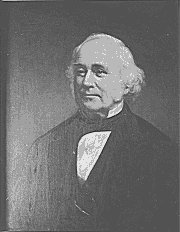
Ichabod Goodwin
U.S.A.
Social Media

Personal Background
Ichabod Goodwin established a robust career as a merchant and industrialist in Portsmouth, New Hampshire, where he managed multiple businesses including shipping, railroads, banking, and manufacturing. His professional expertise was complemented by significant leadership roles in both state and national politics, where he advocated for regulatory reforms and opposed the extension of slavery. Goodwin's business interests were intertwined with the raw materials sector, particularly cotton produced by slaves, reflecting the economic landscape of his time. His contributions to the state were recognized posthumously with the naming of Goodwin Park and the relocation of the Goodwin Mansion for preservation.
Political Ideas
Ichabod Goodwin's political identity is marked by a complex blend of economic pragmatism and moral rigidity. Despite his business interests tied to slave-produced raw materials, Goodwin staunchly opposed the extension of slavery, revealing an ideological agility that balances economic self-interest with moral opposition. His advocacy for an anti-immigrant act aimed at curbing "intemperance" suggests a localized approach to social issues, emphasizing regional control over national uniformity. Goodwin's swift financial support for equipping Civil War regiments, despite his earlier stances, indicates a readiness to adapt his support based on immediate national needs, showcasing a dynamic yet principled political strategy.