J. James Exon
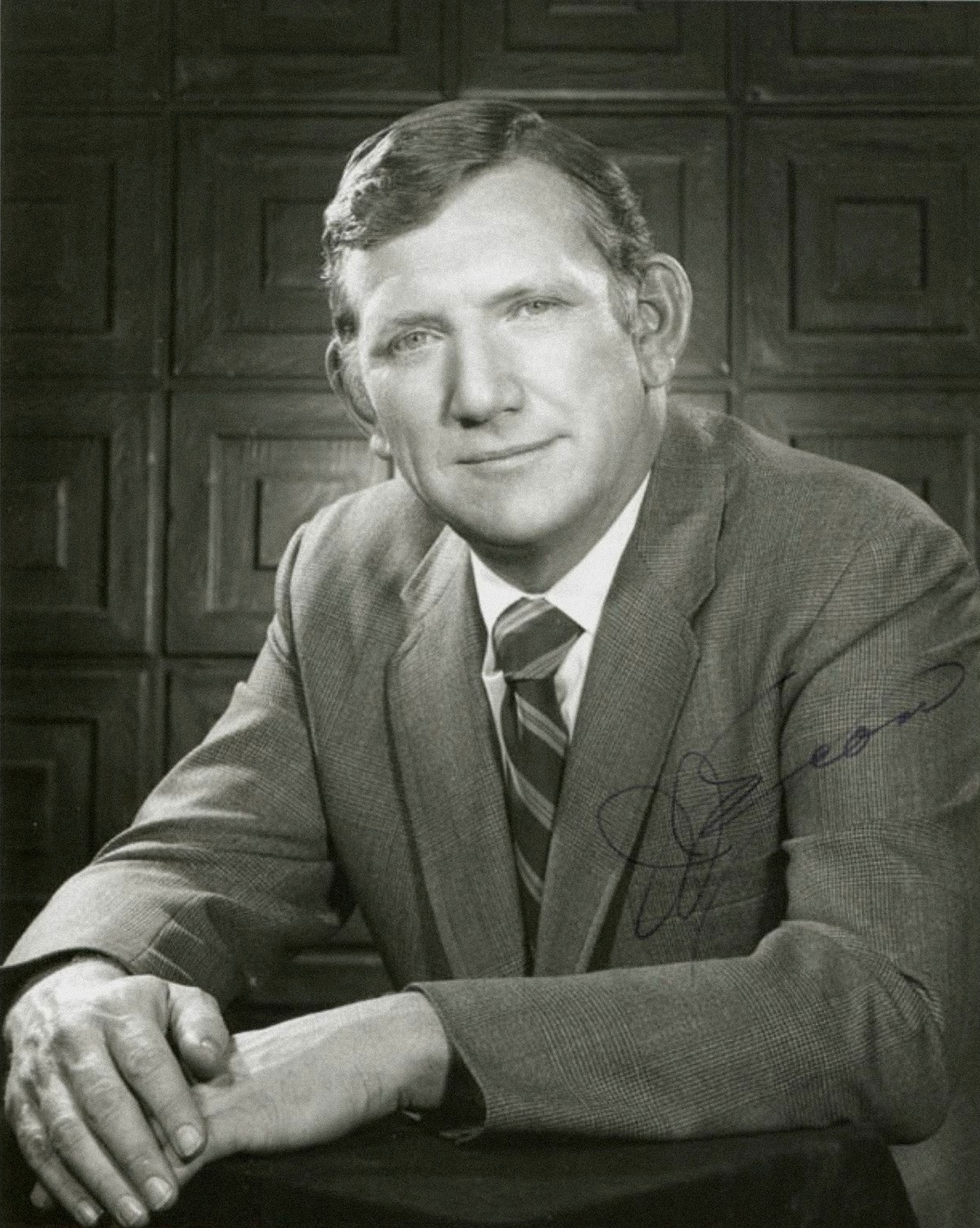
J. James Exon
U.S.A.

Social Media

Personal Background
J. James Exon established a foundation in business and public service before entering elected office. He founded and led Exon Office Supplies, gaining experience in private enterprise. His military service during World War II provided a background in leadership and discipline. Exon held various roles within the Democratic Party, culminating in chairing the Nebraska Democratic Party. His career in public service began with his election as Governor of Nebraska, where he demonstrated fiscal conservatism by vetoing numerous bills. Exon then transitioned to the U.S. Senate, where he focused on national security and fiscal policy, authoring significant amendments and contributing to budget reductions.
Political Ideas
J. James Exon's political identity is marked by a blend of fiscal conservatism and selective civil liberties advocacy. His tenure as Governor of Nebraska was characterized by a stringent veto record, reflecting a fiscally conservative approach. However, Exon's stance on civil rights issues is paradoxical, as evidenced by his opposition to the establishment of Martin Luther King, Jr. Day and his veto of gay rights legislation. On national security, Exon demonstrates a calculated stance, sponsoring the Exon-Florio Amendment to protect U.S. companies from foreign takeovers. His legislative efforts to regulate internet content through the Communications Decency Act further illustrate a nuanced approach to civil liberties.