Jack Eckerd
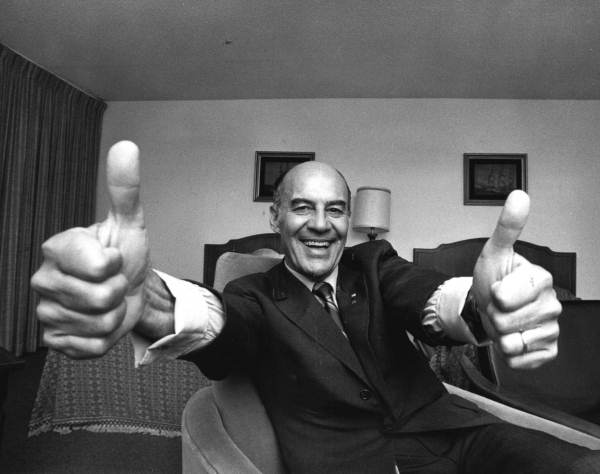
Jack Eckerd
U.S.A.

Social Media

Personal Background
Jack Eckerd graduated from Culver Military Academy and the Boeing School of Aeronautics in the 1930s. He served as a pilot in the U.S. Army Air Forces during World War II, earning multiple commendations. Eckerd expanded his family's drugstore chain in the 1950s and took the company public in 1961. He transitioned into public service in the 1970s, running for political office and later being appointed to a federal administrative role. Eckerd also engaged in philanthropy, particularly in the areas of adolescent treatment and prison reform.
Political Ideas
Jack Eckerd's political identity is marked by an intriguing blend of entrepreneurial pragmatism and conservative ideology, particularly in his economic and criminal justice policies. His business acumen led him to advocate for the expansion of the Eckerd drugstore chain and the privatization of prison industries, showcasing a unique approach to public services. Eckerd's legislative efforts reveal a calculated strategy to address regional issues, such as his surprising alignment with opposing factions on environmental regulations to protect local industrial interests. His rhetorical style likely emphasizes personal responsibility and self-reliance, reflecting his broader ideological commitments.