Jake Butcher
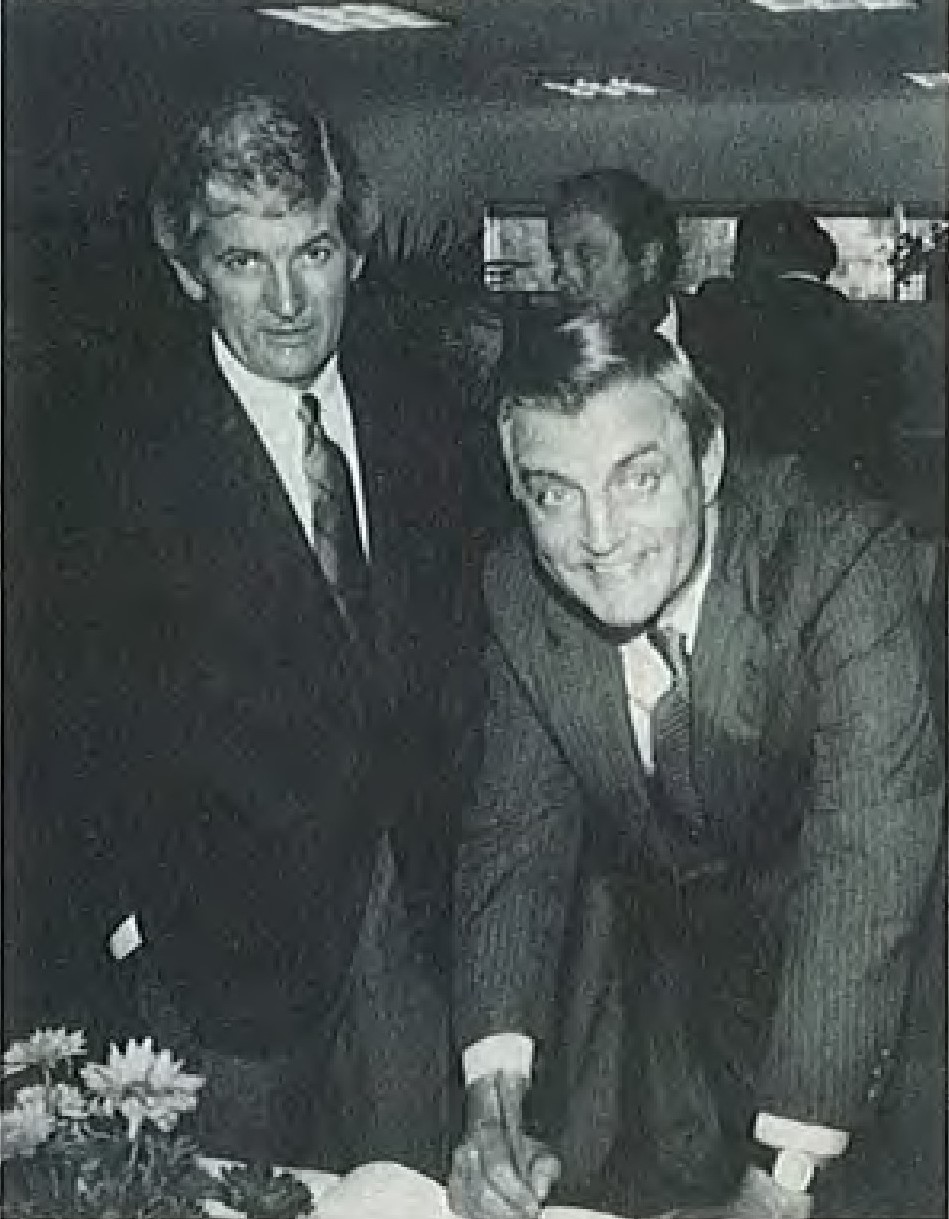
Jake Butcher
U.S.A.

Social Media

Personal Background
Jake Butcher began his career in banking in the late 1960s, rapidly expanding his control over multiple banks by the mid-1970s. He played a significant role in the economic development of Knoxville, managing substantial business loans and overseeing the construction of notable skyscrapers. Despite his contributions to local economic growth, Butcher faced legal challenges in the early 1980s, culminating in a bank fraud conviction and a lengthy prison sentence. Post-release, he maintained a low profile until his death in 2017.
Political Ideas
Jake Butcher's political identity is marked by a complex blend of regional economic advocacy and legal controversy. His early banking career, which saw him control a significant portion of Knoxville's banking reserves, reveals a highly localized approach to economic development. Butcher's involvement in attracting the 1982 World's Fair to Knoxville, a successful public project, contrasts sharply with his later criminal conviction for bank fraud. This juxtaposition highlights a calculated yet ethically contentious strategy in promoting regional interests. His legislative actions and financial dealings exhibit a tension between aggressive economic ambition and legal transgressions, prompting deeper inquiry into his ideological motivations and policy rationale.