James Barbour
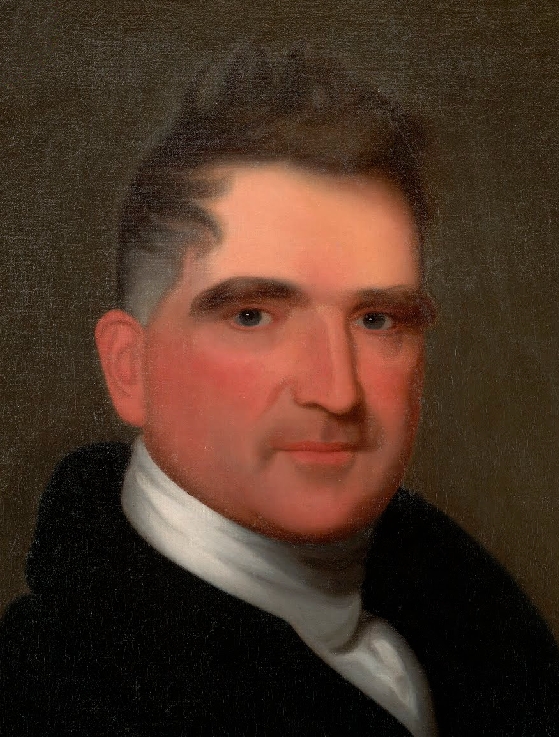
James Barbour
U.S.A.

Social Media

Personal Background
James Barbour, hailing from a prominent Virginia family, received a private education and later engaged in plantation management. He transitioned from managing family estates to a career in public service, where he demonstrated leadership through various roles. Barbour's professional expertise lies in his ability to navigate and influence political landscapes, underscored by his family's enduring political legacy. His foundational skill sets include a deep understanding of agricultural economics and a commitment to maintaining established political orders.
Political Ideas
James Barbour's political identity is marked by a blend of traditionalism and adaptability, balancing a commitment to the established order with an ability to evolve within it. He championed agricultural interests, reflecting a deep-rooted economic conservatism, while his family's enduring political influence showcases a capacity to navigate significant societal shifts, such as the end of slavery. Barbour's rhetorical style, characterized by an imposing presence and a resonant voice, suggests a strategic use of oratory to maintain and bolster his political legacy. His approach to governance underscores a calculated effort to preserve regional stability, revealing a nuanced understanding of how to protect entrenched interests in the face of change.