James Burchill Richardson
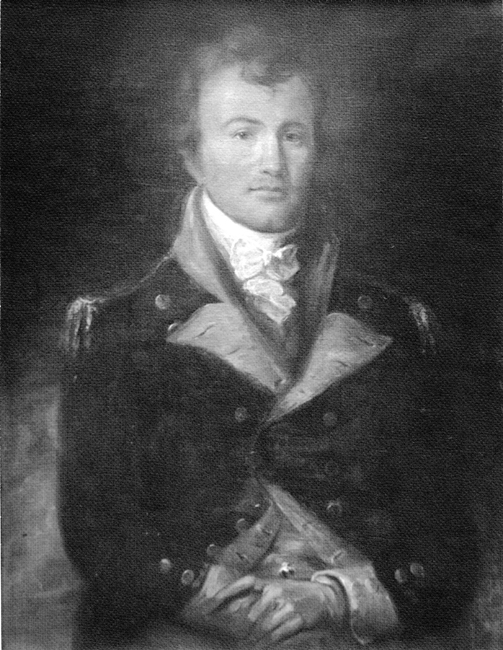
James Burchill Richardson
U.S.A.

Social Media

Personal Background
James Burchill Richardson, born in Clarendon County in 1770, emerged from a lineage of leadership, being the son of Brigadier General Richard Richardson, a Revolutionary War leader. Educated locally, he established himself as a planter at the Richardsons' Big Home Plantation. Richardson's political career began with his election to the South Carolina House of Representatives in 1792, followed by a tenure as the 41st governor of South Carolina from 1802 to 1804. He later served in the South Carolina Senate and returned to the House of Representatives for a third term from 1816 to 1818. His career reflects a consistent dedication to public service within South Carolina's political framework.
Political Ideas
James Burchill Richardson's political career reveals an intriguing blend of progressive and conservative stances, particularly regarding slavery. His governorship saw the repeal of laws against the slave trade while simultaneously banning the importation of slaves under fifteen, suggesting a nuanced approach to regional economic interests. This calculated balancing act hints at a highly localized strategy, where economic imperatives drive policy decisions. Richardson's ability to navigate and reconcile opposing viewpoints on contentious issues like slavery raises questions about the underlying principles guiding his political decisions.