James Carroll
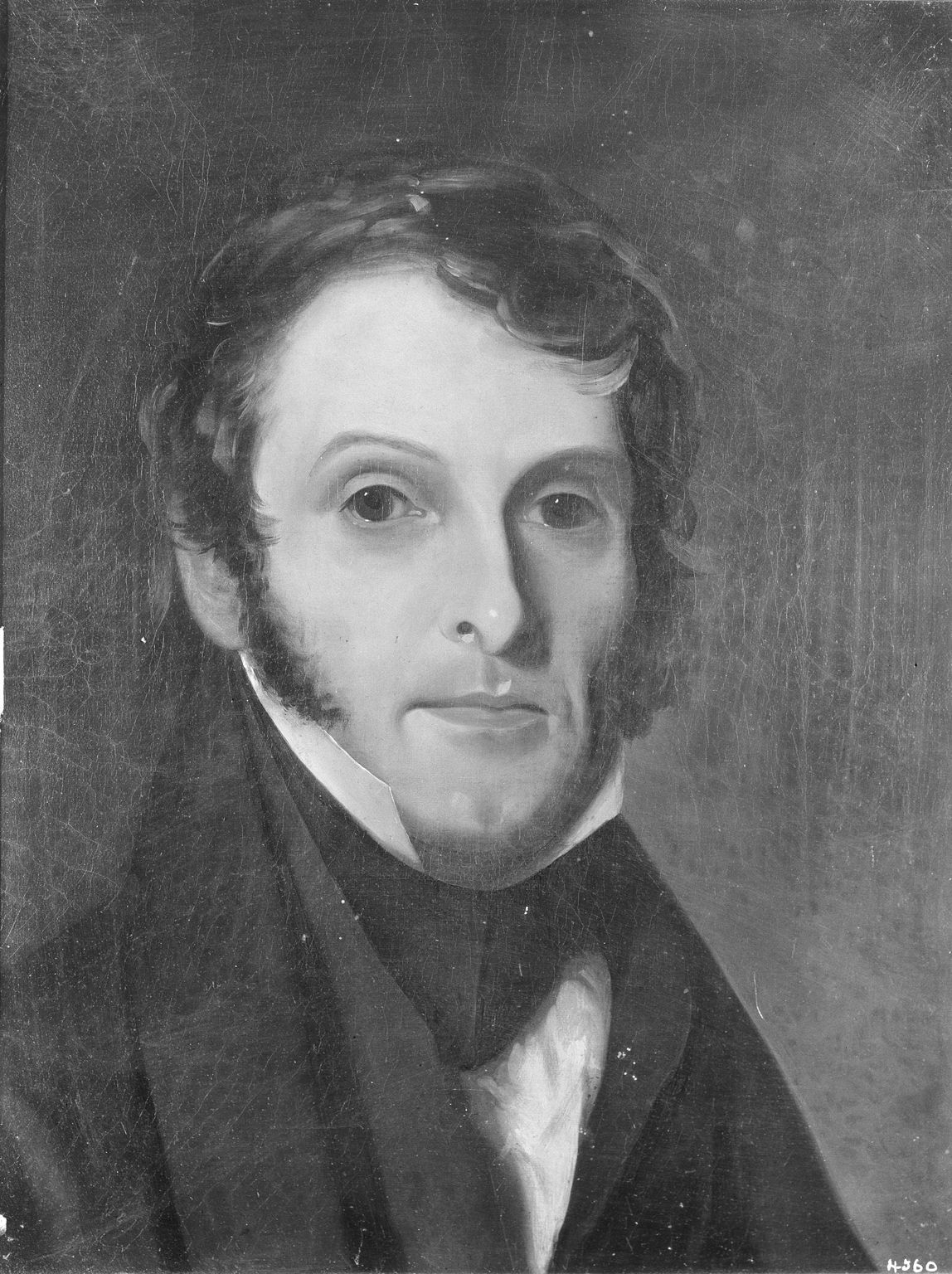
James Carroll
U.S.A.

Social Media

Personal Background
James Carroll graduated from St. Mary's College and pursued a career in public service and business. He held positions as judge of the orphans' court and trustee of the poor, demonstrating a commitment to social welfare. Carroll also served as a director for the Baltimore and Ohio Railroad and the Chesapeake and Ohio Canal, reflecting his involvement in infrastructure development. He was elected to the Twenty-Sixth United States Congress and ran for Governor of Maryland in 1844, showcasing his dedication to public service and leadership.
Political Ideas
James Carroll's political identity is marked by a unique blend of public service and business acumen, particularly in infrastructure development. His roles as a director for major transportation projects indicate a strategic focus on economic growth through connectivity. Carroll's commitment to social welfare, evidenced by his service as a judge of the orphans' court and trustee of the poor, reveals a nuanced approach that balances economic initiatives with community needs. His narrow loss in the 1844 gubernatorial race against Thomas G. Pratt suggests a calculated yet perhaps underestimated political strategy. This convergence of economic and social policy interests presents an intriguing tension in Carroll's political philosophy.