James D. Black
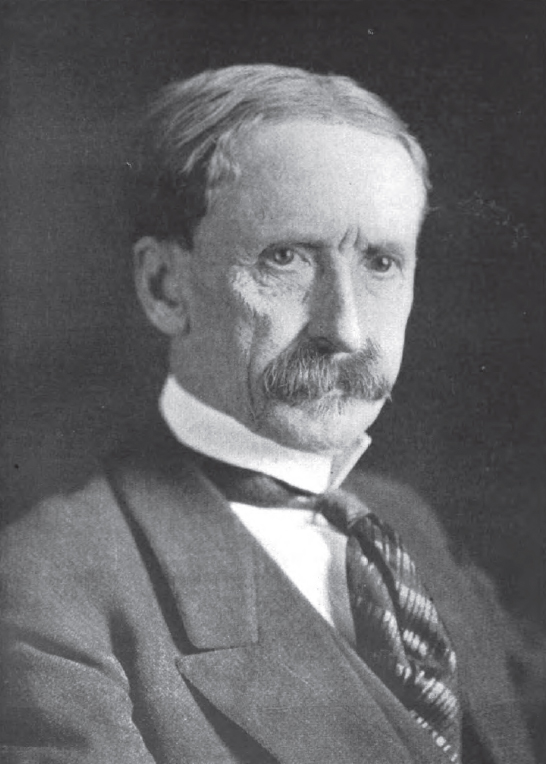
James D. Black
U.S.A.

Social Media

Personal Background
James D. Black graduated from Tusculum College in 1872 and was admitted to the bar in 1874, establishing a career in law and education. He served as a public school teacher before opening his own legal practice in Barbourville. Black's educational background and early political service in the Kentucky House of Representatives laid the groundwork for his later roles in public education and higher education administration. He co-founded Union College and served as its president, further solidifying his commitment to educational advancement.
Political Ideas
James D. Black's political career is marked by a blend of traditionalism and calculated pragmatism, particularly in his handling of economic and governance issues. His tenure reveals a unique ideological positioning, notably balancing pro-temperance with pragmatic governance. Black's rhetorical style often emphasized regional interests, as seen in his defense of local industrial concerns while advocating for national policies like U.S. entry into the League of Nations. His approach to executive clemency, pardoning a former assassin, adds another layer of complexity to his political persona, suggesting a nuanced understanding of justice and regional dynamics.