James Dahlman
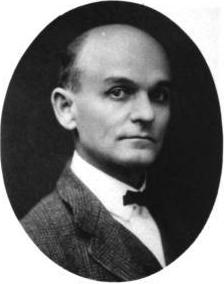
James Dahlman
U.S.A.

Social Media

Personal Background
James Dahlman spent his formative years in Texas, where he developed a reputation as a skilled rider and cowhand. He later transitioned to a political career, serving multiple terms as mayor of Chadron and as a delegate to the Democratic National Convention. Dahlman's professional journey included a stint in high-finance before he became deeply involved in Omaha's civic life, holding various leadership roles in prominent organizations. Dahlman was elected mayor of Omaha on three occasions, where he championed local governance and autonomy, successfully advocating for a constitutional amendment to grant the city more authority. Despite his achievements, Dahlman's stance on Prohibition and his handling of the 1913 Omaha Easter Sunday Tornado drew significant criticism.
Political Ideas
James Dahlman's political identity is marked by a staunch advocacy for local governance and autonomy, as seen in his relentless pursuit of Omaha's "strong city" status and his successful constitutional amendment for greater city authority. Dahlman's anti-Prohibition stance, which led to a fallout with William Jennings Bryan, highlights a surprising alignment with regional industrial interests over temperance advocates. His refusal to accept federal aid after the devastating 1913 tornado underscores a rigidly localized approach to disaster response, raising questions about the balance between municipal independence and communal support.