James Devereux
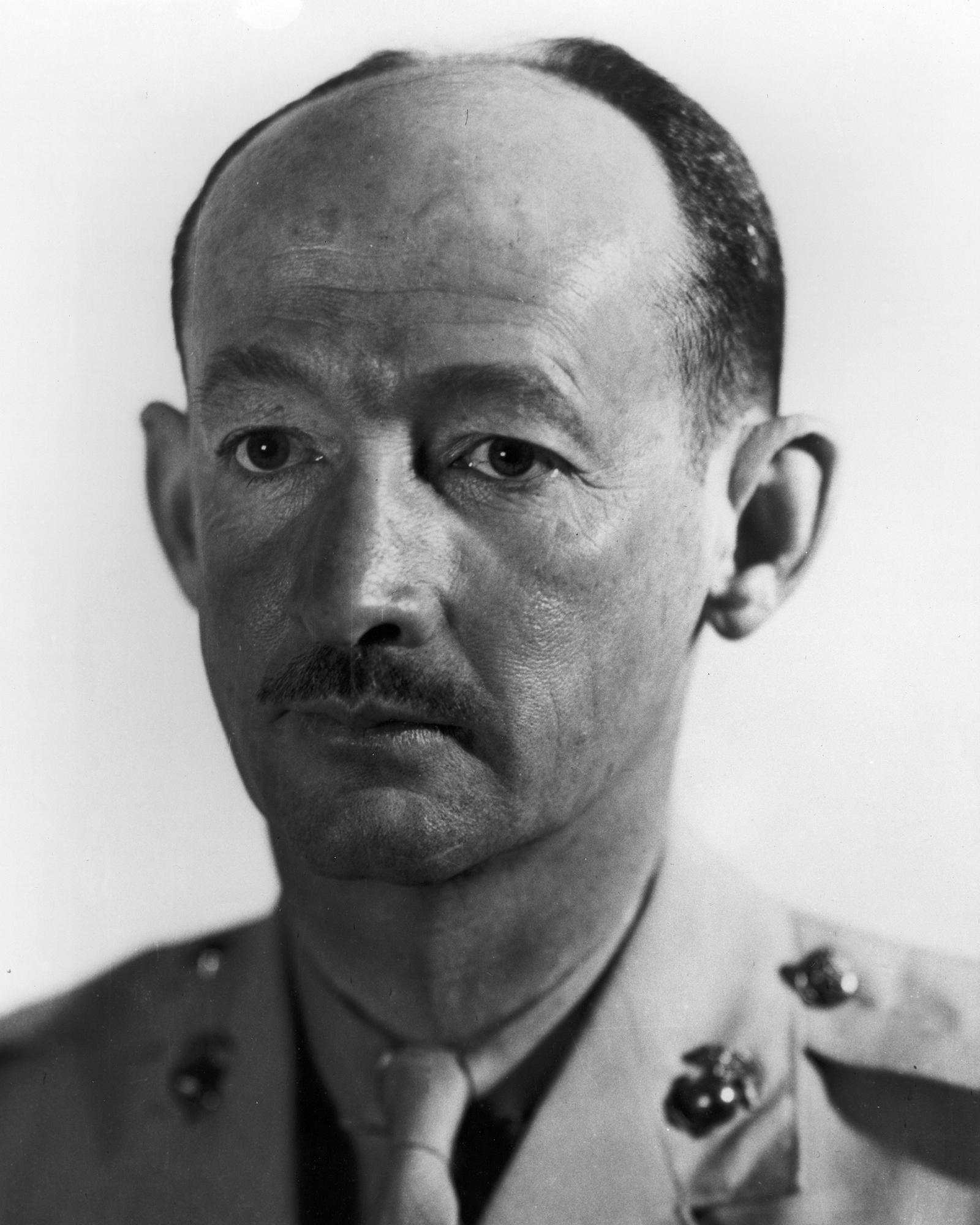
James Devereux
U.S.A.

Social Media

Personal Background
James Devereux served in the United States Marine Corps, rising to the rank of colonel before retiring as a brigadier general. He gained extensive military experience, including leading the defense of Wake Island during World War II, and was later a prisoner of war. Devereux transitioned to public service, spending eight years in the U.S. House of Representatives and serving as director of public safety for Baltimore County. His career highlights his leadership and commitment to public service.
Political Ideas
James Devereux's political career is marked by a blend of progressive civil rights advocacy and a nuanced approach to economic policy. Despite his Southern roots, Devereux's legislative actions on civil rights suggest an ideological flexibility uncommon among his contemporaries. His support for public school desegregation and opposition to racial discrimination in employment, coupled with his non-participation in the Southern Manifesto, indicates a willingness to challenge regional norms. Devereux's rhetorical style likely emphasizes unity and progress, masking the calculated balancing act he performs between regional loyalties and broader national interests.