James E. Ferguson
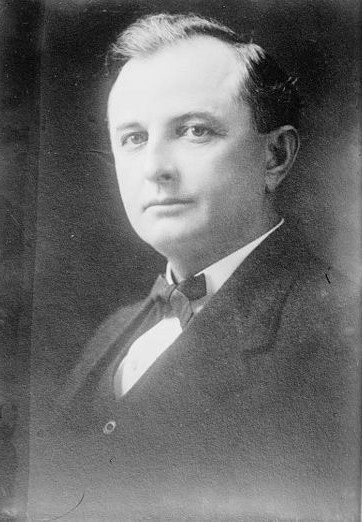
James E. Ferguson
U.S.A.

Social Media

Personal Background
James E. Ferguson began his career in law after studying in Bell County and was admitted to the bar. He gained early experience in various jobs, including roles in a vineyard, mine, barbed wire factory, and grain ranch. Ferguson established the Farmers State Bank in 1906 and later the Temple State Bank. His political career included serving as City Attorney in Belton, Texas, and running for governor as an anti-prohibitionist Democrat, during which he implemented notable reforms. Despite being impeached twice, Ferguson remained active in politics, running for higher offices and supporting his wife's gubernatorial campaigns.
Political Ideas
James E. Ferguson's political identity is marked by a blend of progressive reforms and controversial stances. His anti-prohibition stance and farm tenant laws reflect a commitment to economic populism, while his support for white supremacy and political patronage reveal a deeply conservative racial ideology. Ferguson's legislative record, including vetoes that led to impeachment, shows a willingness to challenge traditional power structures, albeit through sometimes ethically dubious means. His presidential campaign further underscores a desire to disrupt national norms, advocating for a full pardon of Eugene V. Debs and opposing the League of Nations.