James Garrard
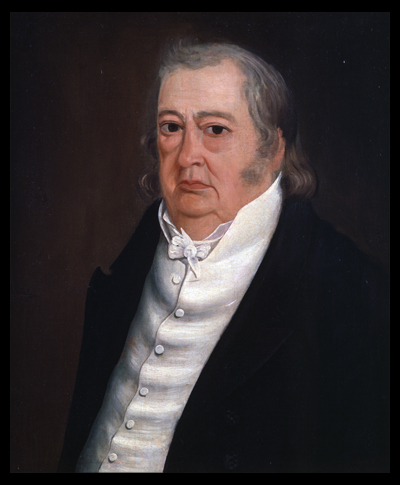
James Garrard
U.S.A.

Social Media

Personal Background
James Garrard, born in 1749 in Stafford County, Virginia, established a career marked by significant contributions to both the agricultural and political landscapes of Kentucky. Garrard's early life included a period of personal loss and subsequent remarriage of his father. He married Elizabeth Mountjoy in 1769 and began his political career by representing Stafford County at the Virginia House of Delegates, where he advocated for religious liberty. Transitioning to Kentucky in 1783, Garrard engaged in agricultural and industrial ventures, later serving in the Virginia legislature and helping draft recommendations for new counties. His leadership roles included organizing Baptist churches and surveying land for county seats. Garrard was elected Governor of Kentucky in 1796 and again in 1799, during which he commissioned the first governor's mansion and navigated complex issues such as militia preparedness and constitutional reforms. After retiring from politics in 1804, Garrard's legacy continued through his advocacy for religious liberty, opposition to slavery, and support for educational and business subsidies.
Political Ideas
James Garrard's political identity is marked by a unique blend of progressive advocacy and pragmatic conservatism. He fiercely championed religious liberty and opposed slavery protections, yet he also supported substantial militia reforms and increased spending on education and business subsidies. Garrard's rhetorical style juxtaposes a principled stand against the Alien and Sedition Acts with a calculated approach to regional defense, revealing a deeply strategic mindset. His legislative record shows an unexpected convergence with opposing factions on environmental regulations, hinting at a highly localized approach to governance.