James H. Higgins
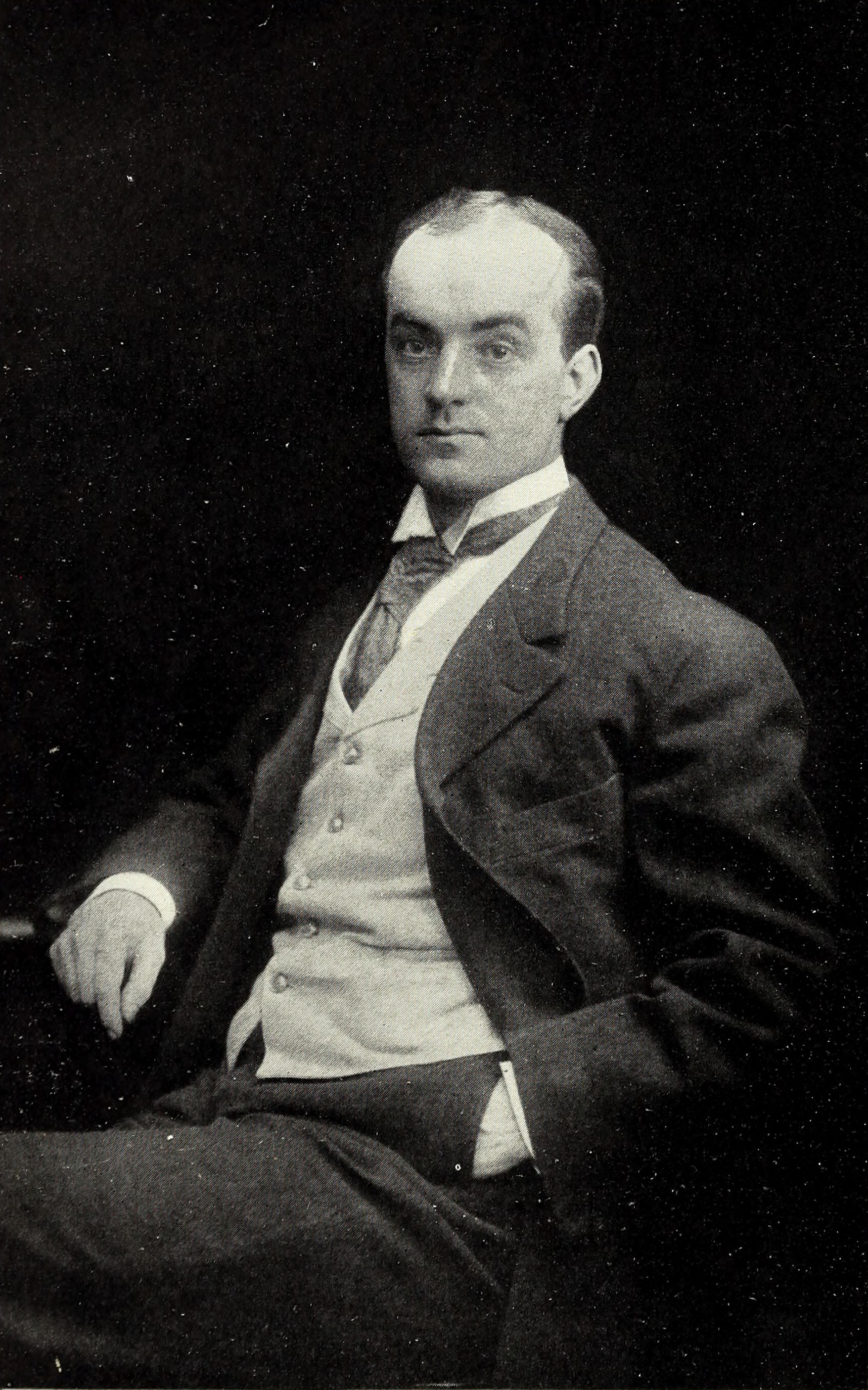
James H. Higgins
U.S.A.

Social Media

Personal Background
James H. Higgins, born in 1876 in Saylesville, Lincoln, Rhode Island, established a robust educational foundation with degrees from Brown University and Georgetown University Law Center. Early in his career, he was elected to the Rhode Island General Assembly and subsequently became mayor of Pawtucket at age 26. His political career advanced when he was elected governor of Rhode Island in 1907, focusing on anti-lobbying measures and workers' rights. During his governorship, he championed the eight-hour workday and enacted several labor laws.
Political Ideas
James H. Higgins's political philosophy is marked by a staunch opposition to lobbying, which he viewed as an oppressive monopoly, combined with a progressive push for workers' rights, including an eight-hour workday. His ideological stance is further complicated by his support for the direct election of U.S. senators, a reform that aligns with a broader anti-corruption agenda. Higgins's unique positioning as Rhode Island's first Catholic governor adds another layer of intrigue to his political identity, suggesting a nuanced approach to balancing religious values with progressive governance.