James Hamilton Peabody
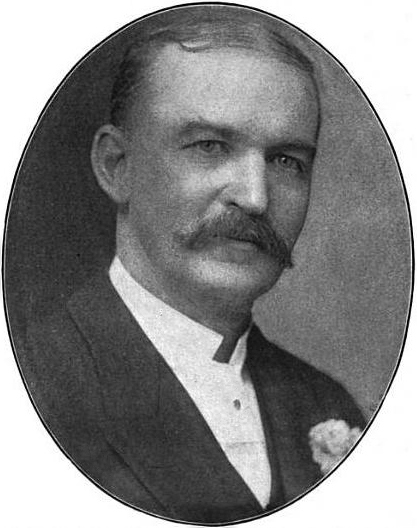
James Hamilton Peabody
U.S.A.

Social Media

Personal Background
James Hamilton Peabody was born in 1852 in Topsham, Vermont, and later moved to Pueblo, Colorado, where he gained early business experience working in a family dry goods store. Peabody transitioned to managing a mercantile store in Cañon City, eventually purchasing it and becoming a prominent local businessman. He held various public service roles, including county clerk, treasurer, and alderman for Cañon City, and played a key role in organizing the First National Bank of Cañon City and local utility companies. Peabody was elected Governor of Colorado in 1902, where he managed the Cripple Creek miners' strike using the Colorado National Guard, a decision that drew significant controversy.
Political Ideas
James Hamilton Peabody's political identity is marked by a striking blend of economic conservatism and authoritarian governance. His advocacy for "law and order" during his gubernatorial campaigns reveals a preference for maintaining stability through stringent control, even at the expense of labor rights. Peabody's deployment of the Colorado National Guard to violently suppress the Cripple Creek miners' strike and his implementation of martial law highlight a highly centralized and coercive approach to public service. This calculated use of force to protect industrial interests presents an intriguing tension between his economic policies and his governance style.