James L. Alcorn
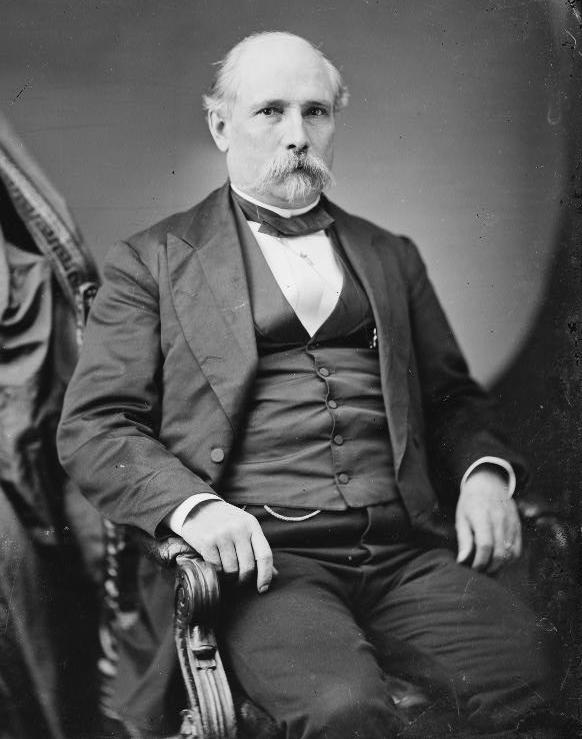
James L. Alcorn
U.S.A.

Social Media

Personal Background
James L. Alcorn pursued a career in law and public service, beginning with his admission to the Kentucky bar. He transitioned to Mississippi, where he established a law practice and served in various state legislative roles. During the Civil War, he held a military position and later criticized Confederate leadership. Post-war, despite personal losses, he remained influential in Mississippi politics, advocating for cautious reconstruction policies and opposing federal intervention in racial segregation. His contributions to Mississippi's governance and public life are commemorated through various institutions named in his honor.
Political Ideas
James L. Alcorn's political identity is marked by a complex blend of conservatism and cautious progressivism, particularly in his approach to Reconstruction. His opposition to federal intervention in ending segregation and his defense of separate schools for both races reveal a rigid ideological stance, yet he simultaneously advocated for the removal of political disabilities for white southerners post-Civil War. Alcorn's rhetorical style juxtaposes his condemnation of slavery with his resistance to aggressive federal policies, creating a nuanced narrative that invites deeper examination of his motivations and strategic calculations.