James M. Tuttle
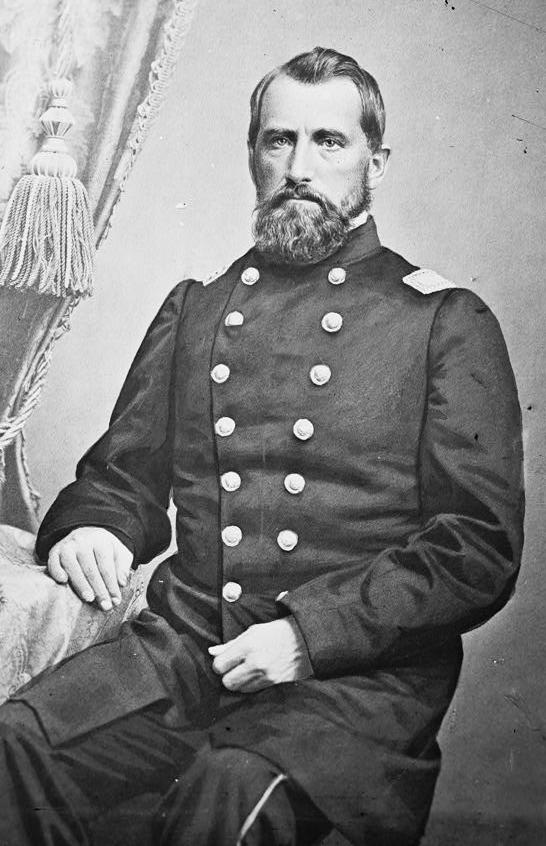
James M. Tuttle
U.S.A.

Social Media

Personal Background
James M. Tuttle began his career in agriculture and mercantile pursuits, later transitioning into local politics in Iowa. He served as sheriff and county treasurer, demonstrating early leadership skills. Tuttle's military career was marked by significant achievements, including rising to the rank of brigadier general and commanding Union forces in key Civil War battles. Post-war, he engaged in mining, manufacturing, and pork packing, while continuing his political career in the Iowa House of Representatives and as an advocate for veterans.
Political Ideas
James M. Tuttle's political identity is marked by an intriguing blend of military leadership and civilian governance, punctuated by an unexpected engagement with religious authority. His strategic philosophy reveals an ideologically agile approach, shifting from Democratic to Republican affiliations while maintaining a consistent focus on veterans' affairs and regional economic interests. Tuttle's rhetorical style is characterized by a direct, authoritative tone, as evidenced by his military commands and the notable incident involving the Roman Catholic Bishop of Natchez. This unique combination of military precision and political flexibility makes Tuttle a compelling figure whose approach to governance and policy demands further exploration.