James Philip Eagle
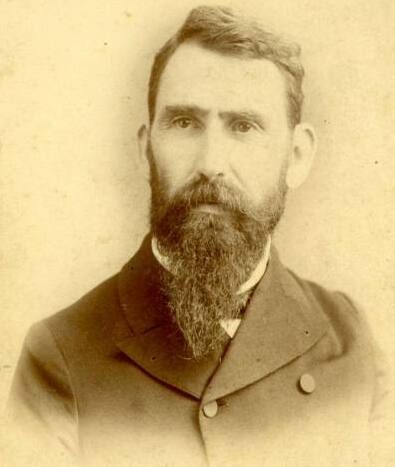
James Philip Eagle
U.S.A.

Social Media

Personal Background
James Philip Eagle was born in 1837 in Maury County, Tennessee, and later educated in public schools in Arkansas. He began his career in public service as a deputy sheriff in Prairie County, Arkansas, before serving in the Confederate States Army during the Civil War, where he attained the rank of major. Following the war, Eagle transitioned to politics, serving in the Arkansas House of Representatives and becoming speaker in 1875. He also held leadership roles in religious organizations, including serving as president of the Arkansas and Southern Baptist Conventions. Eagle's career highlights his dedication to public service and leadership in both political and religious spheres.
Political Ideas
James Philip Eagle's political identity is marked by an intriguing blend of progressive stances and conservative pragmatism. His support for attracting immigration and education funding juxtaposes with his limited active engagement on women's suffrage, revealing a nuanced approach to social issues. Eagle's legislative record shows an unexpected convergence with opposing factions on environmental regulations, indicating a highly calculated strategy to safeguard regional industrial interests. His rhetorical style is marked by a calculated blend of progressive ideals and conservative caution, making his political motivations both complex and compelling.