James Pollock
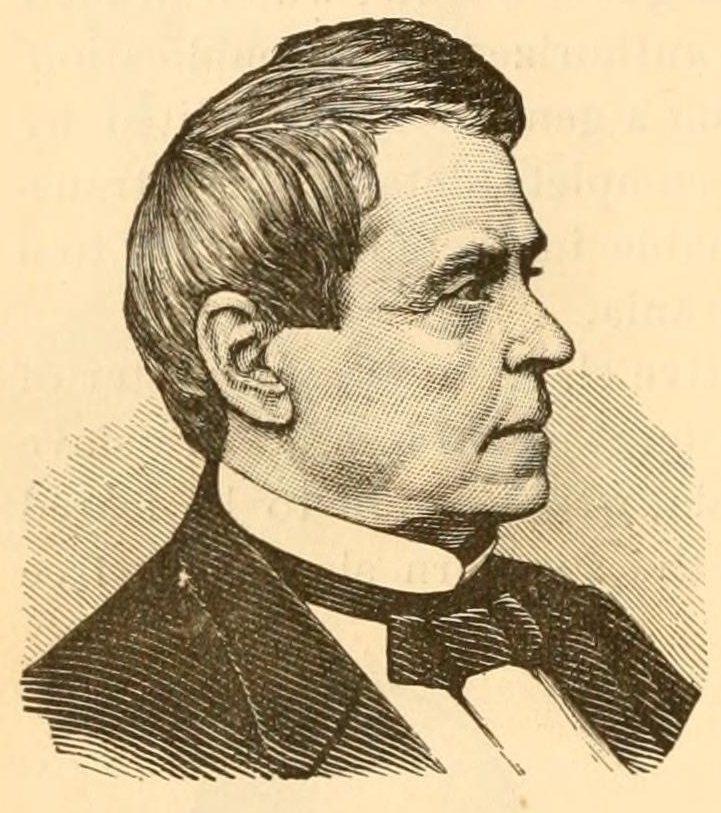
James Pollock
U.S.A.

Social Media

Personal Background
James Pollock held a distinguished career marked by significant contributions to infrastructure, finance, and education. He began his public service by being elected to the United States House of Representatives, where he played a pivotal role in securing funding for the nation's first telegraph line. Pollock's foresight extended to predicting the completion of a transcontinental railroad within a quarter-century. His expertise in finance was evident as he navigated Pennsylvania through the economic turmoil of the Panic of 1857. Pollock's leadership was further demonstrated when he chaired the Pennsylvania delegation to the Peace Conference and was appointed Director of the Philadelphia mint by President Lincoln. Additionally, he served as a trustee and president of Lafayette College, reflecting his commitment to education.
Political Ideas
James Pollock's political identity is marked by a blend of forward-thinking infrastructure advocacy and a deep-rooted Christian ethos. He championed the telegraph and envisioned a transcontinental railroad long before such projects were mainstream, showcasing an ideology that marries technological progress with visionary planning. Pollock's economic policies during the Panic of 1857 reveal a calculated approach to regional stability, balancing fiscal conservatism with strategic investments. His insistence on embedding Christian values into national symbols, such as U.S. coins, highlights a unique ideological stance that intertwines faith with public life.