James Ray
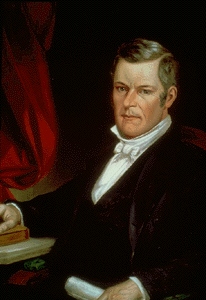
James Brown Ray
U.S.A.

Social Media

Personal Background
James Ray began his career in public service as the fourth governor of Indiana, elected in 1825 and supporting initiatives for internal improvements, Native American removal, and the codification of state laws. During his tenure, he notably expanded educational opportunities and improved local governance. After leaving office, Ray returned to private life, though his subsequent attempts at re-entering public service were unsuccessful. He eventually settled in Indianapolis, where he established a law and advisory business that did not endure. Despite his political achievements, Ray's reputation suffered due to his behavior and treatment of others, leading to speculation about his mental state.
Political Ideas
James Ray's political career is marked by a curious blend of progressive policy advocacy and personal conduct that undermined his reputation. He championed internal improvements and Native American removal while simultaneously resisting national party politics. His tenure as governor saw significant strides in education and local governance, yet his refusal to reside in the Governor's Mansion and erratic behavior cast a shadow over his legacy. Ray's ideological agility and calculated approach to regional interests reveal a politician who navigated complex policy landscapes with an eye toward long-term stability.