James Rolph Jr.
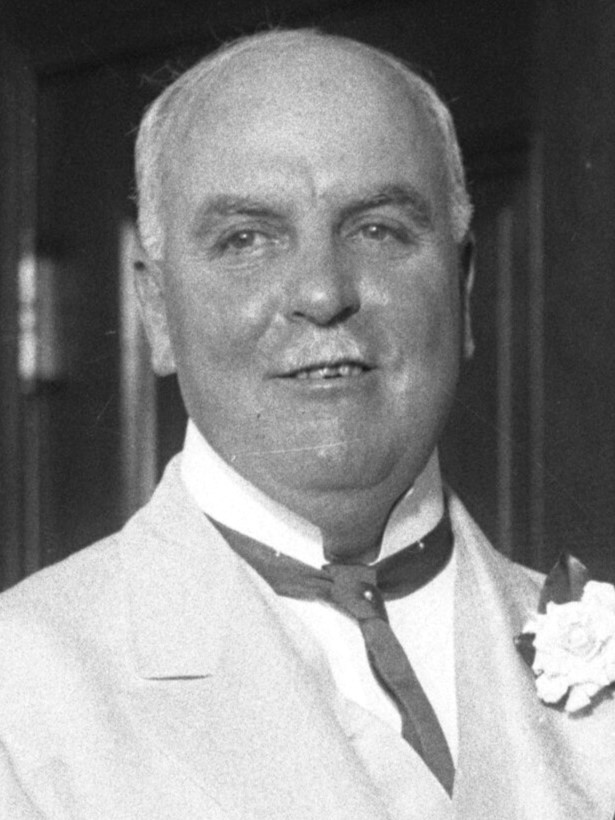
James Rolph Jr.
U.S.A.

Social Media

Personal Background
James Rolph Jr. was born in San Francisco in 1869 and began his career in the shipping business, forming a partnership in 1900. He transitioned into public service, serving as mayor of San Francisco from 1912 to 1931, during which he directed several key organizations and participated in significant expositions. Rolph then became the 27th governor of California in 1931, a role he held until his death in 1934. Throughout his career, Rolph demonstrated leadership in economic development, labor relations, and criminal justice, leaving a lasting legacy in California.
Political Ideas
James Rolph Jr.'s political identity is marked by a blend of economic pragmatism with unexpected social stances. His support for shipping businesses and involvement in the Panama–Pacific International Exposition underscore a commitment to industrial growth. However, Rolph's appointment of a fact-finding committee to investigate the San Joaquin cotton strike deaths reveals a nuanced approach to labor relations. His controversial praise of the San Jose citizens following the lynching of Brooke Hart's kidnappers illustrates a complex relationship with criminal justice, balancing economic interests with moral considerations.