James Weston
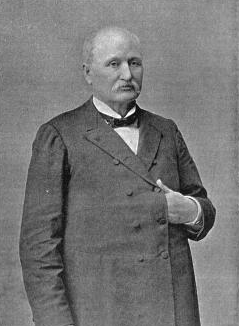
James Adams Weston
U.S.A.

Social Media

Personal Background
James Weston began his career on a family farm in Manchester, New Hampshire, and was educated at district school, Manchester Academy, and Piscataquog Academy. At 19, he was appointed assistant civil engineer of the Concord Railroad, eventually rising to Chief Engineer. Weston surveyed and superintended the construction of the Concord water-works and held various roles for multiple railroads. He served multiple terms as mayor of Manchester and was twice elected governor, during which he authorized a significant railroad merger and supported infrastructure development.
Political Ideas
James Weston's political career is marked by a strategic blend of infrastructure development and calculated electoral maneuvers. His advocacy for significant railroad mergers and water-works construction reflects a focus on economic modernization. However, his controversial use of constitutional power to invalidate ballots in the 1875 State Senate race, justified by technicalities, reveals a willingness to employ unorthodox methods to secure political objectives. This tension between progressive economic policies and contentious governance practices makes Weston's approach both intriguing and complex.