Jefferson B. Browne
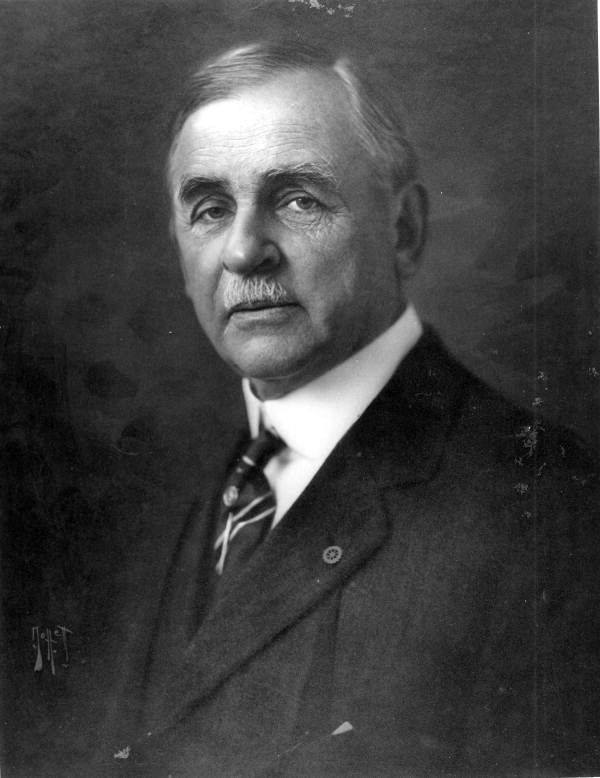
Jefferson B. Browne
U.S.A.

Social Media

Personal Background
Jefferson B. Browne, born in 1857 in Key West, Florida, established a foundational background rooted in public service and legal expertise. He completed high school in 1875 and earned a law degree from the University of Iowa in 1880. Browne held numerous positions, including assistant keeper on Fowey Rocks Lighthouse, county surveyor, and city attorney, before being elected to the Florida Senate in 1890. He later became president of the Florida Senate and introduced significant legislative initiatives, such as a bill to extend Henry Flagler's railway to the Florida Keys. Browne's career also included roles as U.S. Customs collector and chairman of the Florida Railroad Commission. His judicial experience culminated in his election to the Florida Supreme Court, where he served as both Chief Justice and associate justice.
Political Ideas
Jefferson B. Browne's political identity is marked by a distinctive blend of conservatism and progressive pragmatism. He fiercely defended property rights while simultaneously supporting measures to curb alcohol's detrimental effects, showcasing an unusual prioritization of individual liberties over strict prohibition. Browne's legislative initiatives, such as advocating for Henry Flagler's railway expansion, reveal a calculated approach to economic development that balances regional interests with broader infrastructure goals. His varied career trajectory, from lighthouse keeper to Chief Justice, hints at an ideologically agile mindset that adapts to local needs while maintaining a core commitment to limited government intervention.