Jefferson Davis
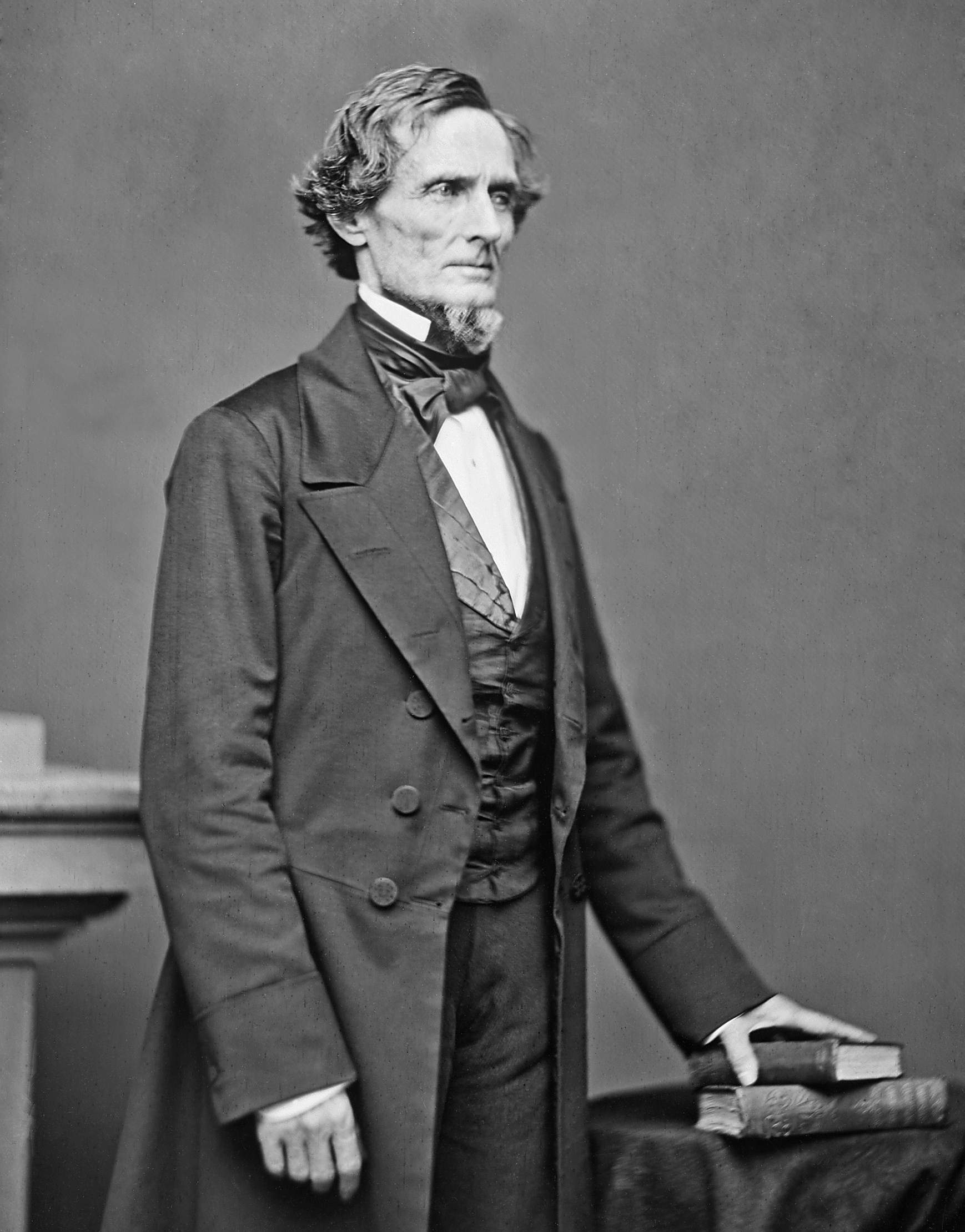
Jefferson Davis
U.S.A.
Social Media

Personal Background
Jefferson Davis began his career as a planter, expanding his plantation significantly and becoming deeply involved in politics. He held various roles within the Democratic Party and served in the U.S. House of Representatives and Senate. During the Mexican-American War, he distinguished himself in combat and later transitioned to a Senate position. Despite his political and military leadership roles, Davis faced imprisonment post-Civil War but was eventually released. His career was marked by strong advocacy for states' rights and slavery, which shaped his controversial legacy.
Political Ideas
Jefferson Davis's political identity is marked by a rigid defense of states' rights and slavery, coupled with a highly localized approach to governance that prioritizes regional interests. His rhetorical style is both passionate and unyielding, often framing national issues through the lens of Southern autonomy and historical justification. Davis's legislative record reveals an unexpected convergence with opposing factions on environmental regulations, hinting at a highly calculated approach to protecting regional industrial interests.