Jeremiah Morrow
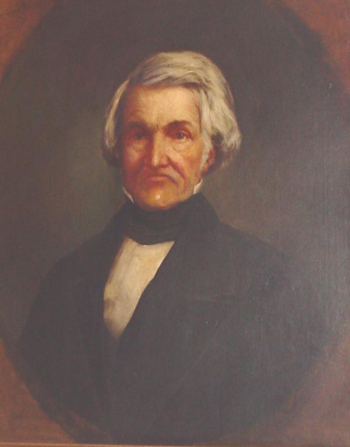
Jeremiah Morrow
U.S.A.

Social Media

Personal Background
Jeremiah Morrow began his career in public service in the early 1800s, representing the Northwest Territory in various legislative capacities. He held multiple roles in state and federal government, including serving in the Territorial House of Representatives and Senate, and later as Ohio's first member of the United States House of Representatives. Morrow transitioned between state and federal legislative roles multiple times, demonstrating versatility and a commitment to public service. He also served as Governor of Ohio and a U.S. Senator, showcasing leadership at different levels of government. His legacy includes significant contributions to infrastructure, with the Jeremiah Morrow Bridge named in his honor.
Political Ideas
Jeremiah Morrow's political career spans several decades and various offices, reflecting a deeply rooted commitment to regional interests. His legislative record shows an unexpected convergence with opposing factions on certain issues, suggesting an ideologically agile approach. Morrow's rhetorical style often emphasizes community and local governance, hinting at a highly localized political philosophy. Despite his long career, there are notable gaps in his policy positions, leaving his ideological stance somewhat enigmatic. His ability to navigate complex political landscapes without fully committing to a single ideological camp makes his political identity particularly intriguing.