Jesse Knight
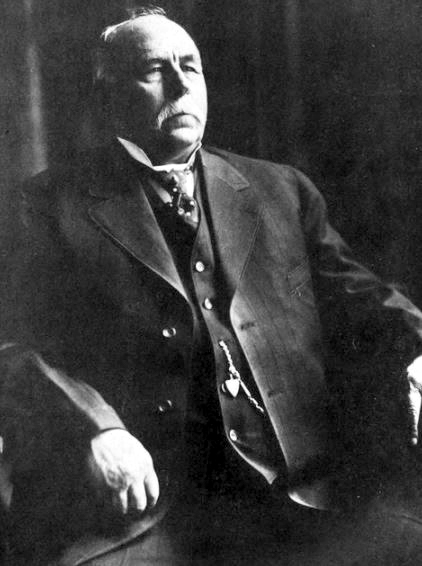
Jesse Knight
U.S.A.

Social Media

Personal Background
Jesse Knight spent a significant portion of his life in Western American mining and entrepreneurial ventures, distinguishing himself from the stereotypical "robber baron" capitalists of his era. He equipped the city of Knightsville, Utah, with essential community infrastructure, including a meetinghouse, an amusement hall, and a school, while opposing the establishment of saloons. Knight's business acumen extended to the acquisition and management of large tracts of land, including the establishment of a town centered around irrigation farming in Canada. His philanthropy notably included generous donations to Brigham Young University and the LDS Church, reflecting his belief in using wealth for constructive purposes and aiding his church during financial difficulties.
Political Ideas
Jesse Knight's political identity is marked by a unique blend of entrepreneurial acumen and religious philanthropy. He skillfully balanced his business ventures with a commitment to fair labor practices and regional development, as seen in his establishment of Raymond, Alberta, centered around sustainable sugar beet farming. Despite his early detachment from the LDS Church, Knight's later life was dedicated to supporting and saving his church through generous donations and business acumen. His disapproval of saloons in Knightsville and his fair treatment of workers reveal a principled approach to social issues, driven by his religious convictions. This juxtaposition of business success with moral and religious guidance makes Knight's political philosophy both intriguing and complex.