Joel Parker
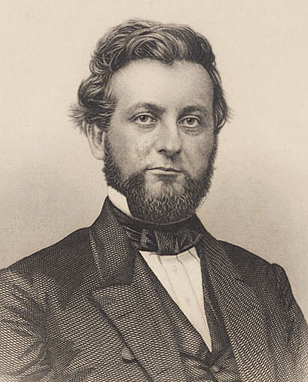
Joel Parker
U.S.A.

Social Media

Personal Background
Joel Parker graduated from Princeton University in 1839 and subsequently established a legal practice in Freehold. He entered public service by being elected to the General Assembly as a Democrat and later secured passage of a tax reform package. Parker held various leadership roles, including serving as a brigadier general in the New Jersey militia and being elected governor twice, where he focused on state sovereignty and domestic policy. He opposed federal Reconstruction policies and federal intrusions into state affairs, while also advocating for gradual emancipation. Parker transitioned to judicial roles, serving as Attorney General of New Jersey and the New Jersey Supreme Court.
Political Ideas
Joel Parker's political career is marked by a distinctive blend of support for the Union during the Civil War while simultaneously opposing the Lincoln administration's policies, reflecting a complex relationship with federal authority. He consistently championed state sovereignty, opposing federal intrusions such as the establishment of a railway in New Jersey. Parker's ideological stance on Reconstruction reveals a tension between his support for state rights and his opposition to black suffrage and the Thirteenth Amendment. His domestic policy focus, including tax reform and regulation of railroads, underscores a pragmatic yet principled approach to governance.