John A. Winston
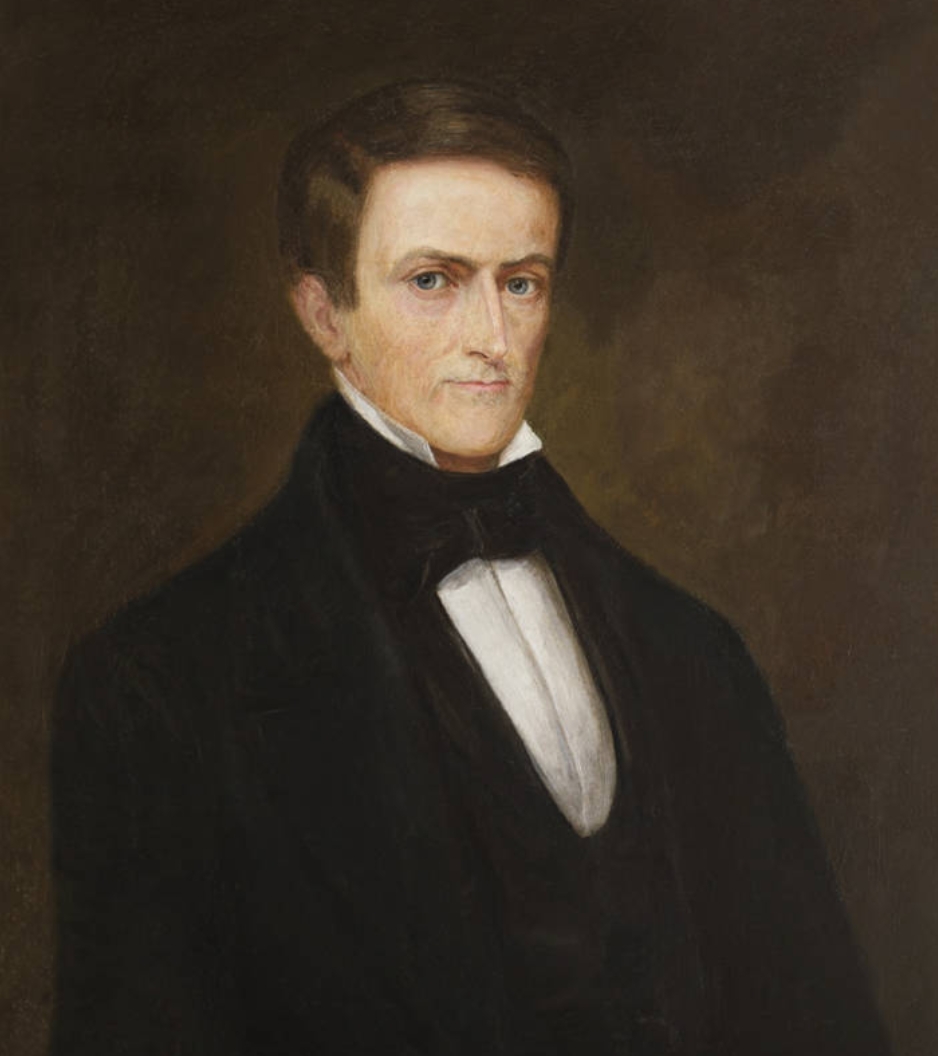
John A. Winston
U.S.A.

Social Media

Personal Background
John A. Winston received a private education, including at LaGrange College and Cumberland College. He managed plantations using enslaved labor, aligning with the economic practices of his era. Winston transitioned to a public role as a cotton commissioner, inspecting Alabama's primary export crop. His background includes a family history of public service, with his grandfather being a Revolutionary War veteran and a member of the Virginia House of Delegates.
Political Ideas
John A. Winston's political identity is marked by a strategic blend of economic pragmatism and social conservatism rooted in the antebellum South. His deep involvement in the cotton industry and plantation management underscores a calculated approach to economic matters, yet his stance on slavery reveals a tension between economic interests and evolving social norms. Winston's rhetorical style likely emphasized the economic necessity of the plantation system, intertwining it with a defense of traditional Southern values. This juxtaposition invites scrutiny into how he reconciled his economic policies with the moral implications of slavery.