John Adams Gilmer
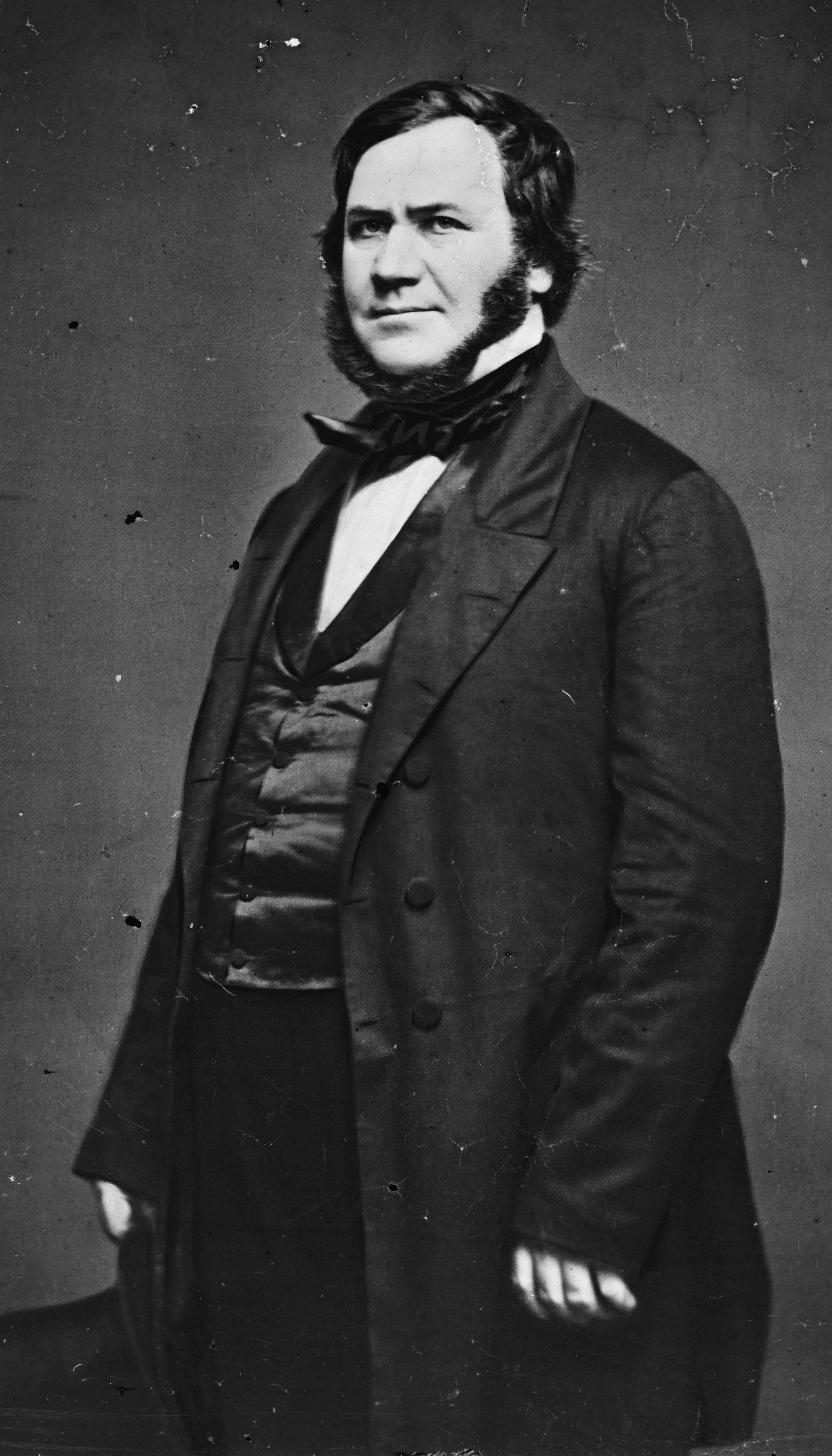
John Adams Gilmer
U.S.A.
Social Media

Personal Background
John Adams Gilmer completed his early education in Greensboro and later studied law, being admitted to the bar in 1832. He began his legal career in Greensboro, where he also served as chairman of the town board and solicitor of Guilford County. Gilmer transitioned into politics, being elected to the State senate and later to Congress, where he chaired the Committee on Elections. Despite being considered for a position in Abraham Lincoln's cabinet, he chose to serve in the Second Confederate Congress and proposed a peace and reconstruction plan.
Political Ideas
John Adams Gilmer's political identity is marked by a rigid defense of chattel slavery and regional interests, juxtaposed with his shifting party affiliations. His legal career and legislative actions reveal a calculated approach to protecting local economic structures, while his involvement in Confederate politics highlights a deeply entrenched regional loyalty. Gilmer's prosecution of abolitionist preachers underscores a staunch opposition to anti-slavery movements, revealing an ideological rigidity that contrasts with his willingness to navigate different political factions.