John Albert Johnson
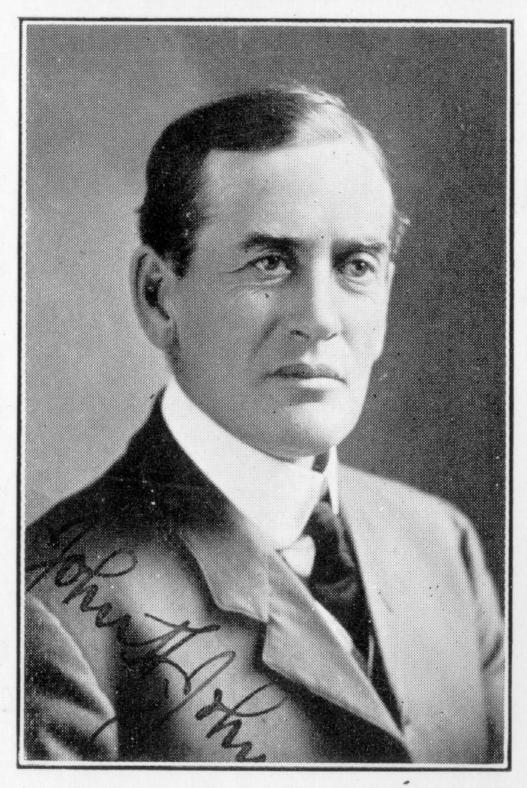
John Albert Johnson
U.S.A.

Social Media

Personal Background
John Albert Johnson began his career in public service after leaving formal education early to support his family. He spent nearly a decade in the Minnesota National Guard, rising to the rank of captain. Johnson transitioned to politics, gaining bipartisan appeal and eventually being elected to the state senate. He spent several years as governor, during which he advocated for significant reforms, including extending the governor's term, increasing funding for infrastructure and education, and reorganizing the state's insurance department. His leadership and policy stances left a lasting legacy, reflected in various public institutions and landmarks named in his honor.
Political Ideas
John Albert Johnson's political identity is marked by an unusual blend of progressive reforms and fiscal conservatism. He opposed the death penalty and sought to extend the governor's term for more effective governance, while simultaneously reducing railroad rates and removing tax constraints. Johnson's legislative record shows an unexpected convergence with opposing factions on environmental regulations, revealing a highly calculated approach to protecting regional industrial interests.