John B. Floyd
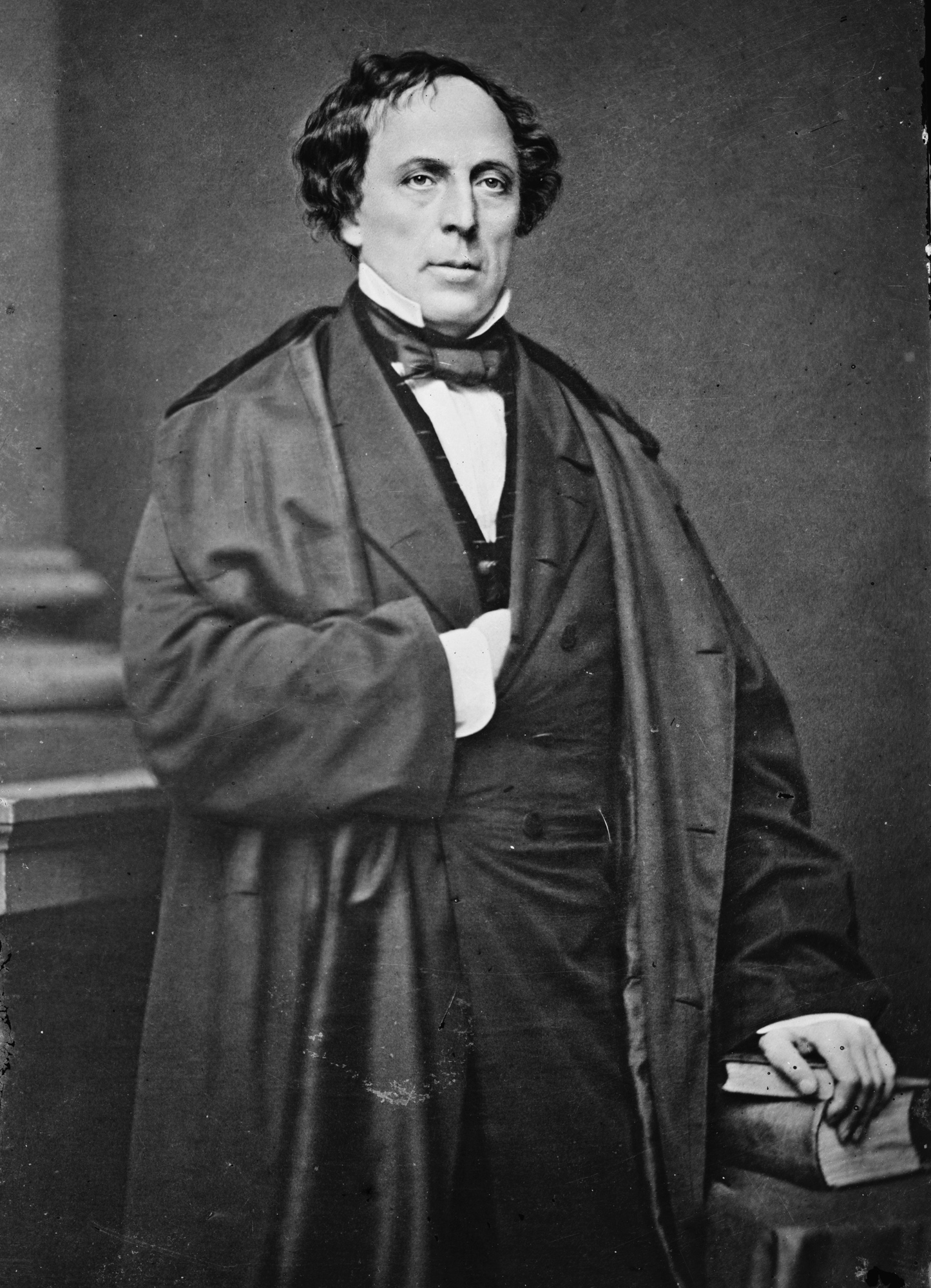
John B. Floyd
U.S.A.

Social Media

Personal Background
John B. Floyd graduated from South Carolina College and was admitted to the Virginia bar. He began his career in local governance, serving on the Abingdon town council and the Virginia House of Delegates. Floyd later served as governor of Virginia and Secretary of War, where he faced controversy over his handling of John Brown's raid on Harpers Ferry. Despite lacking military experience, he was appointed to a Confederate general position, which resulted in a significant strategic defeat.
Political Ideas
John B. Floyd's political career is marked by an intriguing blend of regional loyalty and strategic miscalculations, particularly in military and economic matters. His advocacy for a tax on imports from states that did not cooperate with Virginia's fugitive slave laws reveals a rigid adherence to pro-slavery interests, even at the expense of broader federal principles. Despite his lack of military experience, Floyd's appointment to significant military roles highlights a pattern of calculated risk-taking, culminating in a notable defeat at Fort Donelson. His warnings about John Brown's raid, which he chose to ignore, further underscore a complex relationship with national security and regional priorities.