John B. Gordon
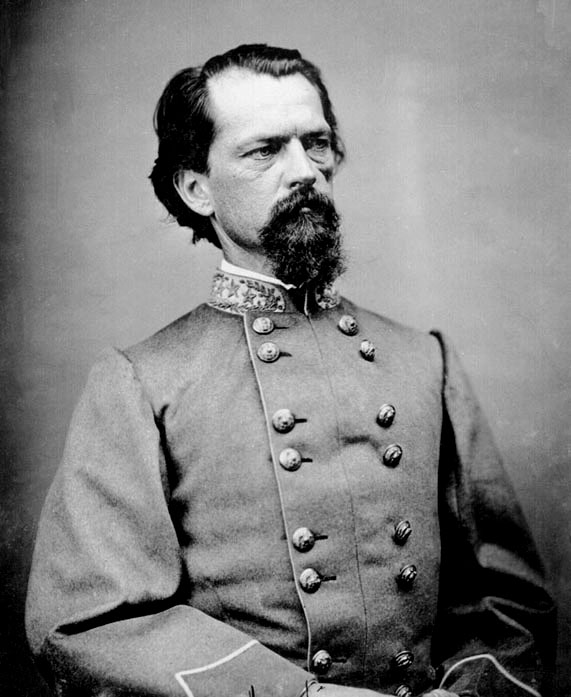
John B. Gordon
U.S.A.

Social Media

Personal Background
John B. Gordon graduated from the University of Georgia and pursued a legal career, passing the bar examination. He gained early professional experience through investments in coal mines. During the Civil War, Gordon rose from captain to major general, commanding various brigades and divisions in significant battles. Post-war, he engaged in politics, serving in both the US Senate and as Governor of Georgia. He authored a memoir on his Civil War experiences and held leadership roles in Confederate veterans' organizations.
Political Ideas
John B. Gordon's political identity is marked by a complex blend of white supremacist ideology and a surprising willingness to engage in reconciliatory acts toward Black communities. His staunch support for maintaining a white-dominated society contrasts with his financial backing of Black churches and schools, suggesting a calculated approach to racial control. Gordon's rhetoric oscillates between advocating for Black subordination and promoting peaceful coexistence, revealing a nuanced yet deeply problematic stance on race relations. His military and political career, steeped in Confederate loyalty, further complicates his legacy, as he simultaneously held positions of power and influence while endorsing racially restrictive measures.