John B. Page
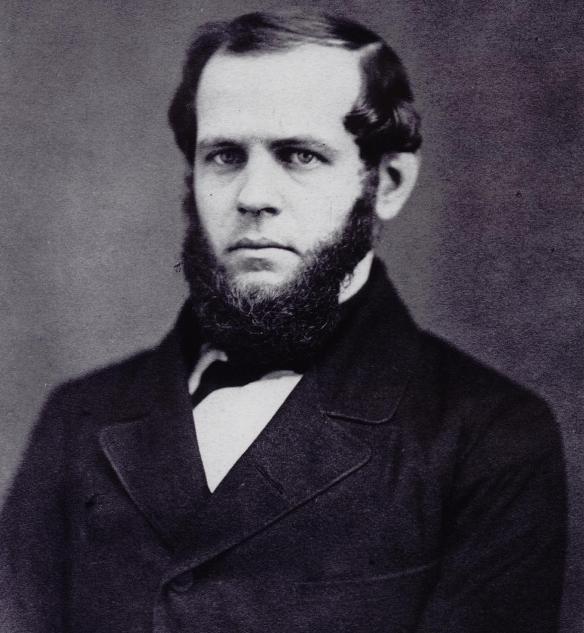
John B. Page
U.S.A.

Social Media

Personal Background
John B. Page spent his formative years in Rutland, Vermont, and honed his early career skills in banking. He transitioned from a clerk and teller to the cashier position at the Bank of Rutland, eventually succeeding his father as its president. His professional acumen extended to various railroads and shipping companies, where he held significant leadership roles. Page also contributed to local economic and civic development through his involvement in educational institutions, philanthropy, and public services. His career was marked by a notable legal defense against fraud allegations, which he successfully navigated.
Political Ideas
John B. Page's political identity is marked by a blend of local economic stewardship and civic activism, underpinned by a strategic approach to regional development. His business ventures and legislative advocacy for modernizing the Rutland school system reflect a localized, growth-oriented philosophy. Despite legal controversies surrounding the Rutland Railroad, Page's civic contributions, including significant philanthropy and public service, reveal an unexpected alignment of personal profit with communal benefit. This duality invites scrutiny into how he reconciles these seemingly disparate pursuits.