John C. B. Ehringhaus
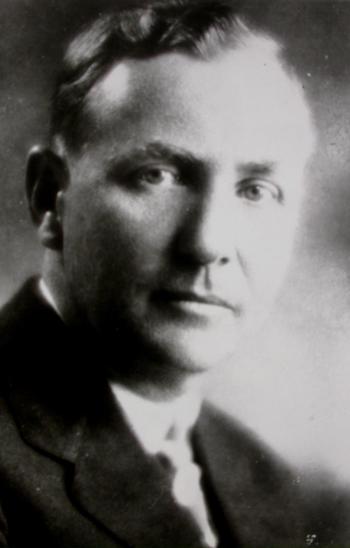
John C. B. Ehringhaus
U.S.A.

Social Media

Personal Background
John C. B. Ehringhaus holds an academic background from the University of North Carolina at Chapel Hill, where he was a member of the Dialectic and Philanthropic Societies. He spent several years in leadership roles within the Benevolent and Protective Order of Elks before being coaxed into political service by Governor O. Max Gardner. Ehringhaus served as governor during the Great Depression, implementing policies to cut state spending, extend the school year, and support progressive labor legislation. He is credited with encouraging the creation of a state agency to provide electricity to rural areas and successfully advocating for a three-cent sales tax.
Political Ideas
John C. B. Ehringhaus's tenure as governor during the Great Depression reveals a unique blend of fiscal conservatism and progressive social policies. While cutting state spending, he simultaneously advocated for state-led economic interventions, such as creating a rural electrification agency. His support for a three-cent sales tax and progressive labor legislation highlights a calculated approach to balancing economic recovery with social equity. Ehringhaus's ideological agility is further evidenced by his support for both fiscal restraint and progressive social reforms, making his political identity both intriguing and complex.