John Dickinson
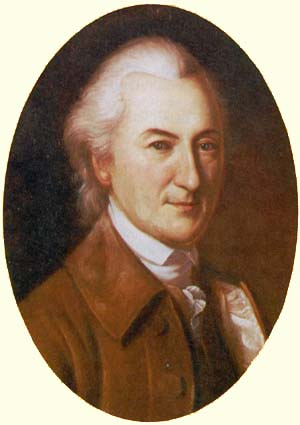
John Dickinson
U.S.A.

Social Media

Personal Background
John Dickinson was educated at home and later studied law in Philadelphia and London. He authored influential works and was elected to the American Philosophical Society. Dickinson spent years in public service, advocating for diplomacy over conflict and proposing progressive social reforms. His leadership roles included serving as chief executive of Delaware and Pennsylvania. Dickinson's legacy is marked by educational institutions named in his honor.
Political Ideas
John Dickinson's political identity is marked by a unique blend of ideological caution and progressive social views. He consistently advocated for diplomacy over conflict, even refusing to sign the Declaration of Independence, which reveals a deeply strategic approach to political disputes. Dickinson's economic stance against the Townshend Acts highlights his belief in the balance of power between colonial governance and British authority. His social and religious views, influenced by Quaker principles, showcase an early commitment to gender equality and inclusive governance, proposing gender-inclusive language in foundational documents. These conceptual tensions between his cautious political strategy and forward-thinking social policies make Dickinson an intriguing figure in early American political thought.