John Edward Jones
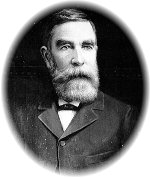
John Edward Jones
U.S.A.
Social Media

Personal Background
John Edward Jones, a graduate of Iowa State University, began his career as a miner, farmer, and teacher before contributing to the construction of the Union Pacific Railroad. He settled in Eureka, Nevada, where he organized the Nevada Militia, serving as Major. Jones transitioned to public service as Deputy Internal Revenue Collector and Surveyor-General of Nevada, where he gained substantial experience in governance. His leadership culminated in his election as Governor of Nevada, during which he championed irrigation programs and established the state's first public library in Reno. Despite facing a serious health challenge, Jones continued his duties until his untimely death in 1896.
Political Ideas
John Edward Jones's political career is marked by a blend of progressive regionalism and personal resilience. His support for irrigation programs and establishment of Nevada's first public library in Reno reflect a commitment to both economic development and public education. Despite battling cancer, his dedication to public service persisted until his untimely death, showcasing a tenacity that underscores his ideological drive. His legislative actions reveal an unexpected convergence with opposing factions on environmental regulations, suggesting a highly calculated approach to regional interests.