John Ellis Martineau
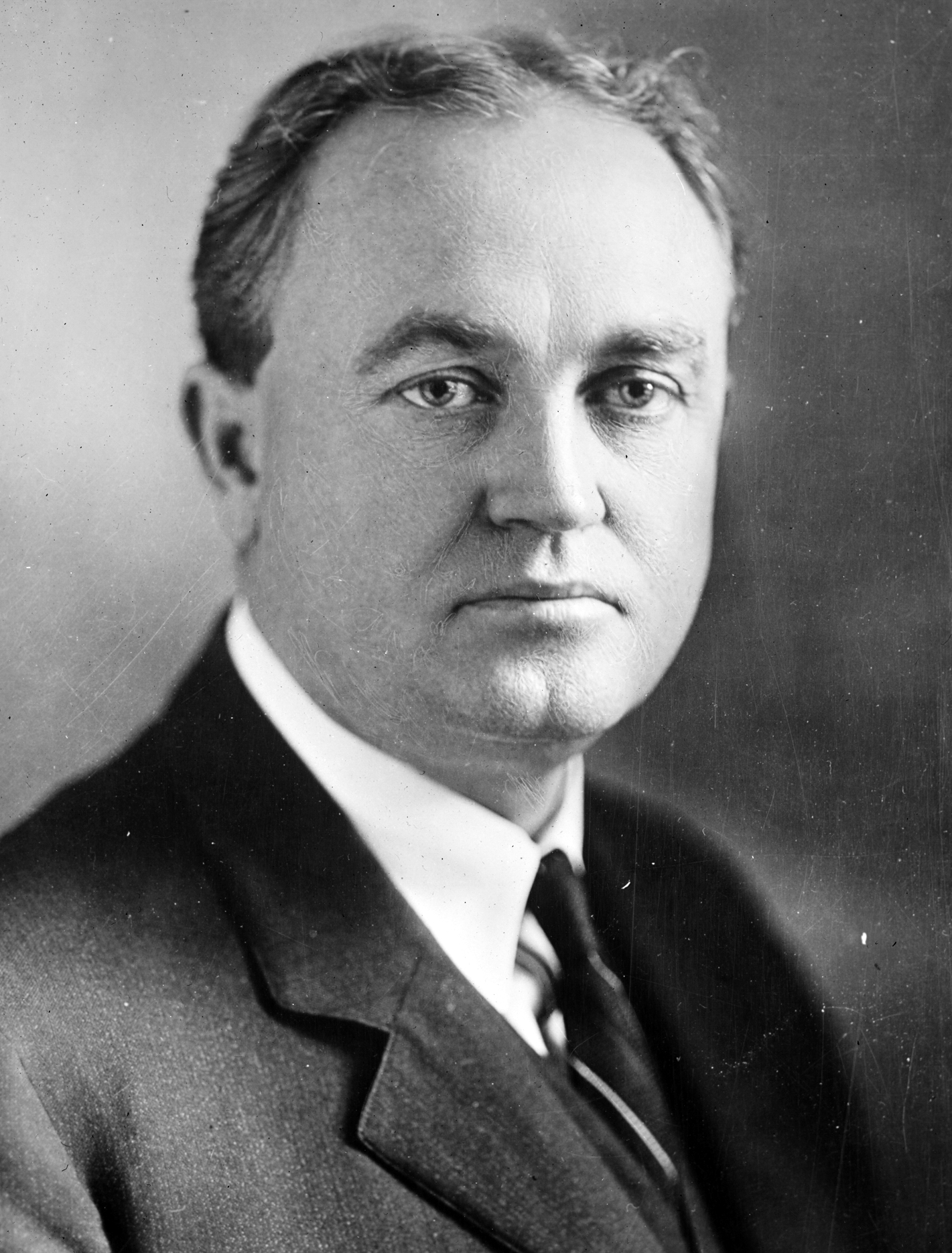
John Ellis Martineau
U.S.A.

Social Media

Personal Background
John Ellis Martineau holds a Bachelor of Arts and a Bachelor of Laws from the University of Arkansas, establishing a strong educational foundation. He began his career in private legal practice before transitioning to public service, serving in the Arkansas House of Representatives and later as Chancellor for the Arkansas Chancery Court. Martineau's leadership was marked by significant policy initiatives, including state aid for highway construction and the establishment of a Confederate pensions board. His tenure as Governor of Arkansas was notable for his handling of the Great Mississippi Flood of 1927 and his response to racial violence, demonstrating a commitment to public safety and civil rights.
Political Ideas
John Ellis Martineau's political career reveals a unique blend of traditionalism and progressive action, particularly in his handling of civil rights and state infrastructure. His authorization of state aid for highway construction through the Martineau Road Plan suggests a forward-thinking approach to economic development, while his establishment of a Confederate pensions board highlights a more nostalgic allegiance to the past. Martineau's response to the Elaine Race Riot and the lynching in Little Rock, where he took decisive action by issuing habeas corpus writs and calling out the National Guard, respectively, shows an unexpected commitment to justice amid a turbulent era.