John F. Fitzgerald
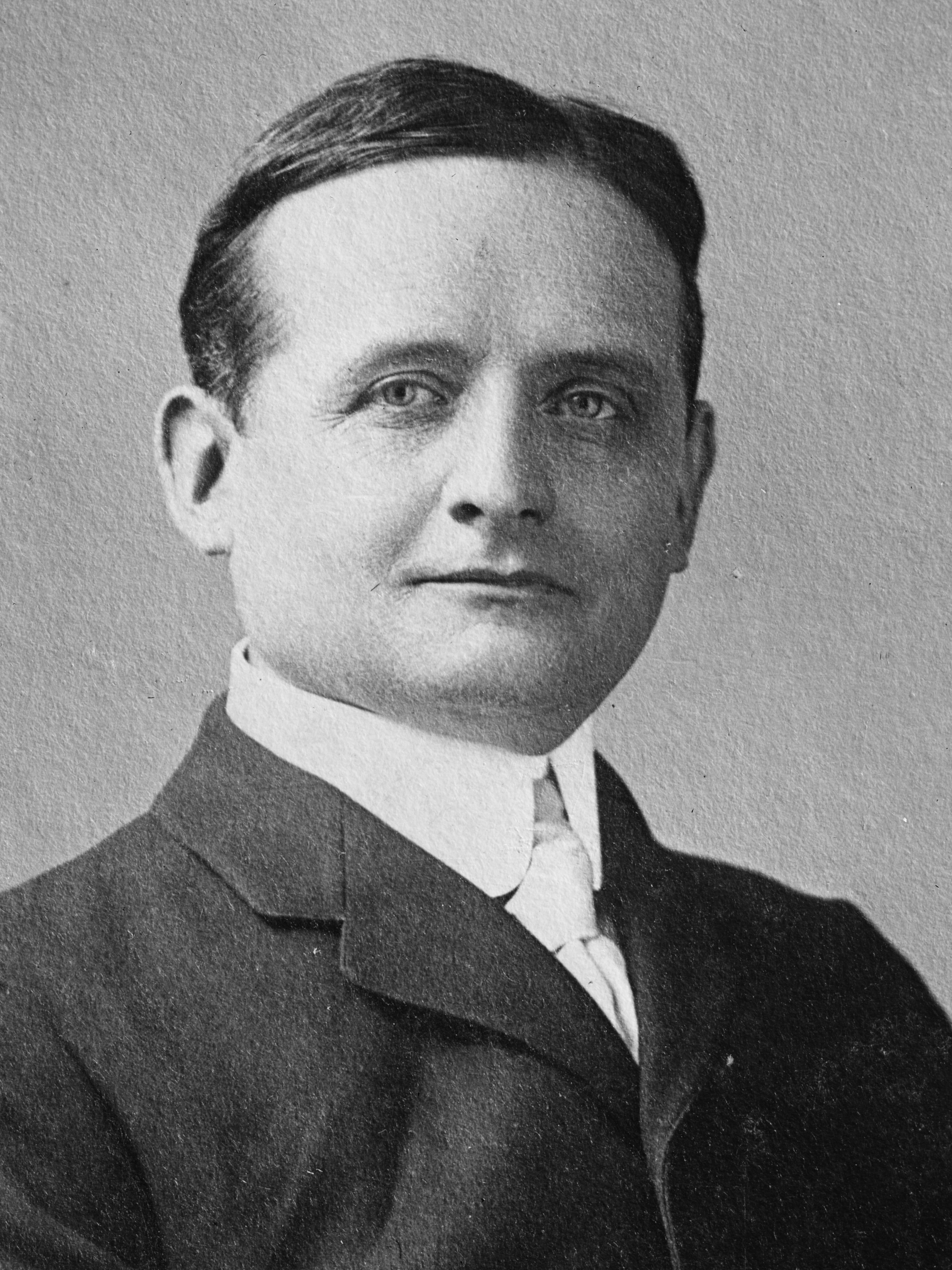
John F. Fitzgerald
U.S.A.

Social Media

Personal Background
John F. Fitzgerald began his career as a clerk at the Customs House in Boston, where he became active in the local Democratic Party. He pursued higher education at Boston Latin School, Boston College, and Harvard Medical School, though he did not complete his medical studies. His political career commenced with his election to Boston's Common Council and continued with a seat in the Massachusetts Senate. He founded the Jefferson Club, a political organization aimed at Irish Catholic voters in South Boston. Fitzgerald later served in Congress, advocating for civil rights by proposing a reduction in Southern state delegations due to voting rights suppression.
Political Ideas
John F. Fitzgerald's political career reveals a unique blend of local advocacy and broader civil rights concerns. His legislative push to reduce Southern state delegations in Congress highlights a strategic approach to addressing systemic racial injustices. Fitzgerald's rhetoric often framed local issues within the context of national civil rights, showcasing a calculated effort to balance regional interests with broader social justice goals. His political legacy, intertwined with family influence, suggests an enduring commitment to both local governance and progressive causes.