John F. Kennedy
Report Candidate Issue
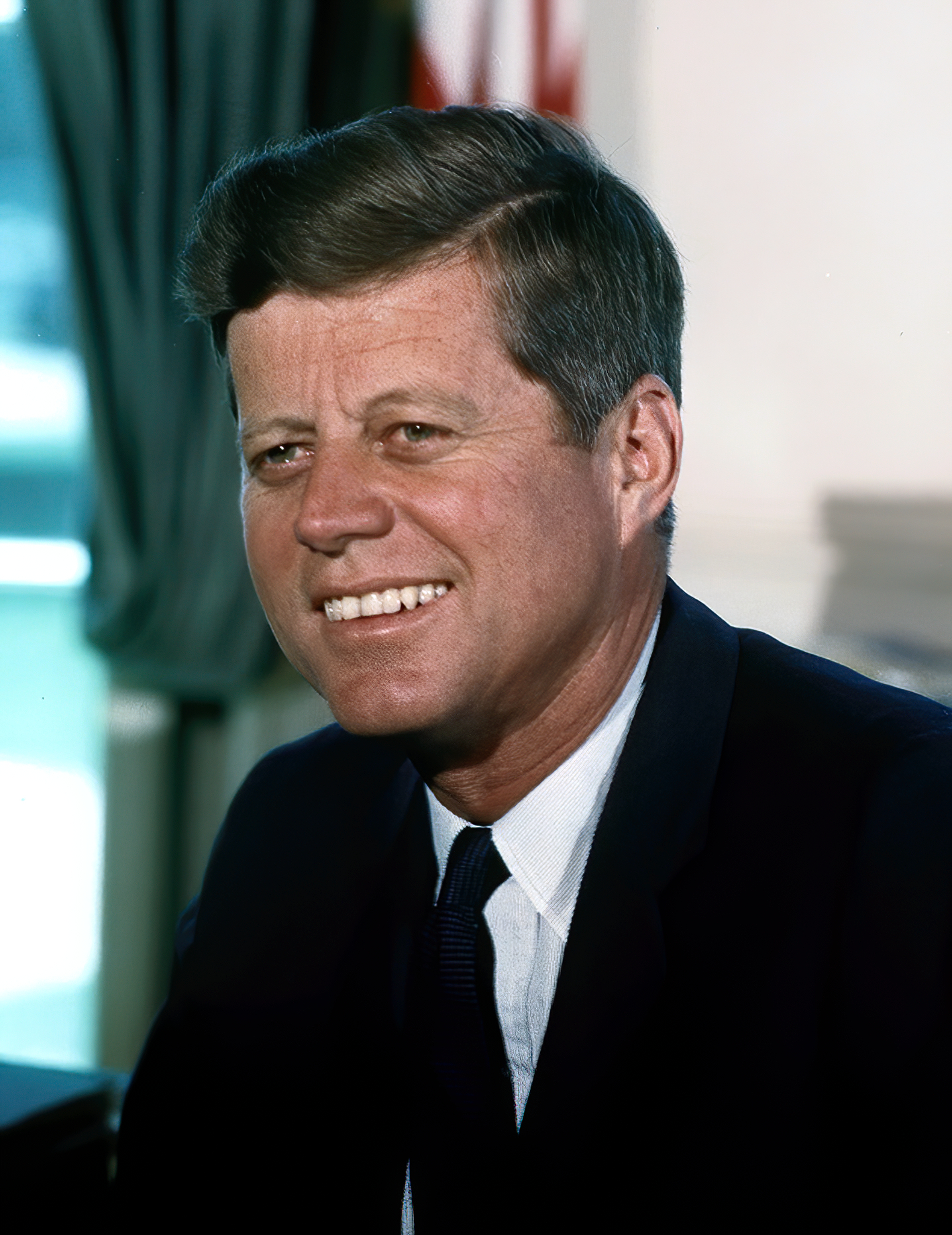
John F. Kennedy
U.S.A.

Social Media

Campaigns
1960: U.S.A. President
ELECTED
Election History
U.S.A. President
34,220,984 votes (49.72%)
Win
1958: U.S.A. Senate
ELECTED
Election History
United States Senator
from Massachusetts
1,362,926 votes (73.20%)
Win
1952: U.S.A. Senate
ELECTED
Election History
United States Senator
from Massachusetts
1,211,984 votes (51.34%)
Win
1950: U.S.A. House of Representatives
ELECTED
Election History
Member of the U.S. House of Representatives
from Massachusetts's 11th district
Win
1948: U.S.A. House of Representatives
ELECTED
Election History
Member of the U.S. House of Representatives
from Massachusetts's 11th district
Win
1946: U.S.A. House of Representatives
ELECTED
Election History
Member of the U.S. House of Representatives
from Massachusetts's 11th district
Win
Election History
U.S.A. President
34,220,984 votes (49.72%)
Election History
United States Senator from Massachusetts
1,362,926 votes (73.20%)
Election History
United States Senator from Massachusetts
1,211,984 votes (51.34%)
Election History
Member of the U.S. House of Representatives from Massachusetts's 11th district
Election History
Member of the U.S. House of Representatives from Massachusetts's 11th district
Election History
Member of the U.S. House of Representatives from Massachusetts's 11th district
Create an account and provide your Gender info to access this filter.
Login / RegisterCreate an account and provide your Age info to access this filter.
Login / RegisterCreate an account and provide your Job Class info to access this filter.
Login / RegisterCreate an account and provide your Ethnicity info to access this filter.
Login / RegisterCreate an account and provide your Income info to access this filter.
Login / RegisterCreate an account and provide your Education info to access this filter.
Login / RegisterTo see our detailed data on John F. Kennedy, log in or create a free account.