John Fairfield
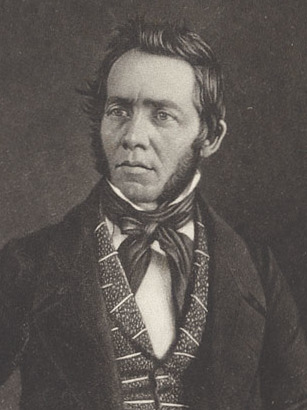
John Fairfield
U.S.A.

Social Media

Personal Background
John Fairfield's foundational background is marked by a robust educational foundation and extensive experience in law and public service. He studied at Saco schools, Thornton Academy, and Limerick Academy before practicing law and being admitted to the bar in 1826. Fairfield's public service career began early, serving as a trustee and later president of the board for Thornton Academy. He also held the position of reporter for the Maine Supreme Judicial Court and authored Supreme Court Reports. Fairfield's professional expertise is underscored by his leadership roles in both the legislative and executive branches. He spent several years in the United States House of Representatives, advocating for significant legislative changes, including the banning of dueling in Washington, D.C. His tenure as governor involved managing a critical international boundary dispute, which was ultimately resolved through diplomatic means. Fairfield's contributions to naval affairs were recognized during his service as Chairman of the Committee on Naval Affairs in Congress.
Political Ideas
John Fairfield's political identity is marked by a blend of legal acumen and regional pragmatism, particularly evident in his handling of the Aroostook War and his legislative efforts against dueling. His role in the Webster–Ashburton Treaty showcases a calculated approach to resolving international disputes, while his advocacy for dueling legislation reveals an unexpected focus on moral reform. Fairfield's career, from legal practice to his judicial reporting, underscores a deeply rooted commitment to law and order, yet his political maneuvers suggest a nuanced understanding of regional interests.