John Floyd
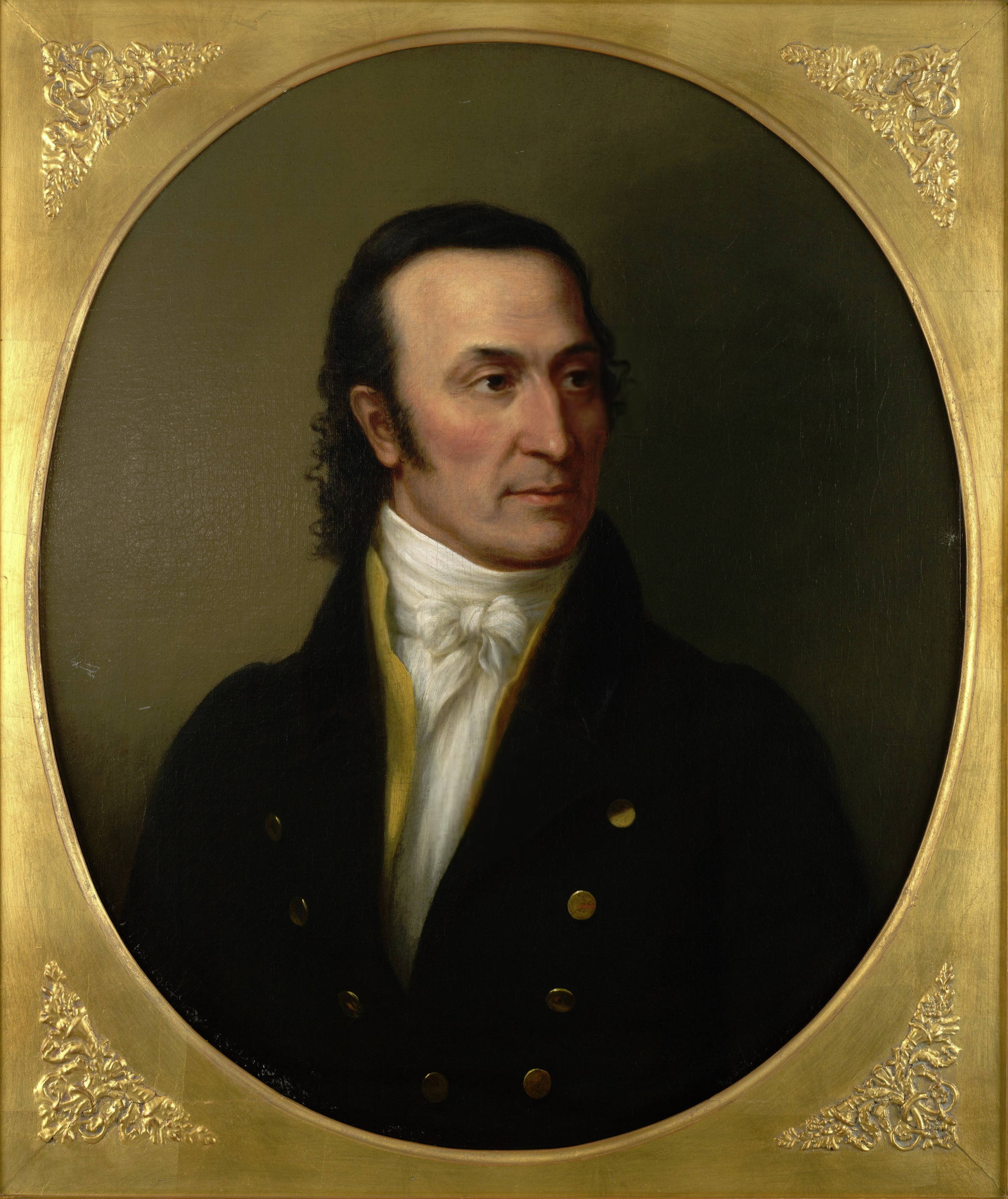
John Floyd
U.S.A.

Social Media

Personal Background
John Floyd was born in Floyds Station, Virginia, and pursued a medical career after graduating from the University of Pennsylvania in 1806. He served as a surgeon in the Virginia Militia and later transitioned into politics, where he became a strong advocate for federal coordination in defense and state-subsidized internal improvements. Floyd held various positions, including a member of the Virginia House of Delegates and the U.S. House of Representatives, where he supported the recognition of Argentina's independence and opposed slavery on economic grounds. He also served as the Governor of Virginia, focusing on economic growth and opposing Jackson's hardline stance during the Nullification Crisis.
Political Ideas
John Floyd's political identity is marked by a distinctive blend of economic nationalism and states' rights advocacy, underscored by an unexpected opposition to slavery grounded in economic rationale. His strategic philosophy reveals an ideological agility, notably in his support for federal intervention in the Oregon Country while fiercely defending state autonomy. Floyd's rhetorical style often juxtaposes progressive economic policies with a conservative stance on certain social issues, creating a nuanced and somewhat paradoxical political persona. His legislative actions, such as advocating for state-subsidized internal improvements while opposing federal overreach, hint at a deeply calculated approach to regional development and governance.