John G. Downey
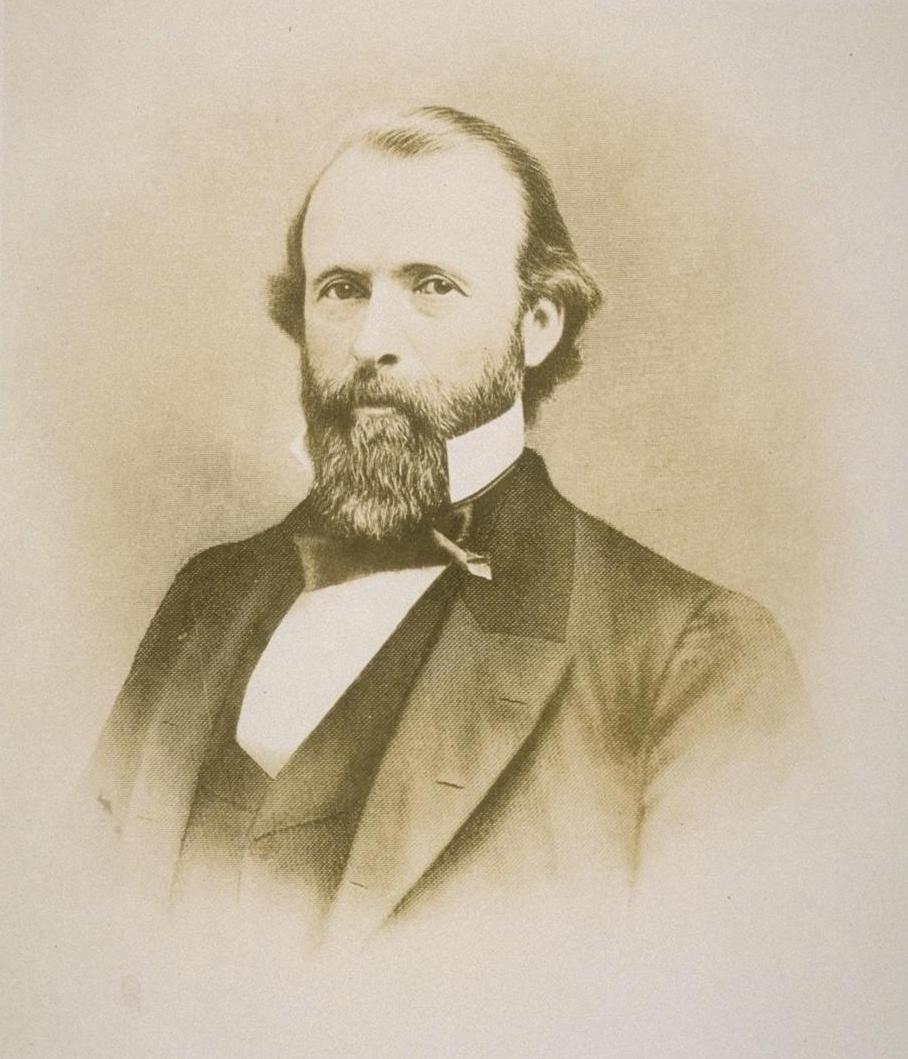
John G. Downey
U.S.A.

Social Media

Personal Background
John G. Downey spent his formative years in Ireland before emigrating to the United States in 1842. He apprenticed as an apothecary in Washington, D.C., before relocating to Cincinnati, Ohio, where he worked as a druggist. During the California Gold Rush, Downey traveled to California, arriving in 1849, and established himself in San Francisco. His political career began with local governance in Los Angeles, followed by state assembly and culminating in his election as Lieutenant Governor in 1859. Downey's professional expertise includes significant contributions to California's infrastructure and development during his tenure as governor.
Political Ideas
John G. Downey's political identity is marked by a blend of ideological rigidity and unexpected pragmatism. As a Lecompton Democrat, he favored slavery, yet his tenure as governor saw the initiation of significant infrastructure projects like the California State Capitol and the Central Pacific Railroad. Downey's eviction of Cupeño American Indians from Warner's Ranch reveals a calculated approach to regional development, balancing industrial interests against indigenous rights. His personal life, marked by tragedy and remarriage, adds a layer of complexity to his public persona.