John Hubbard
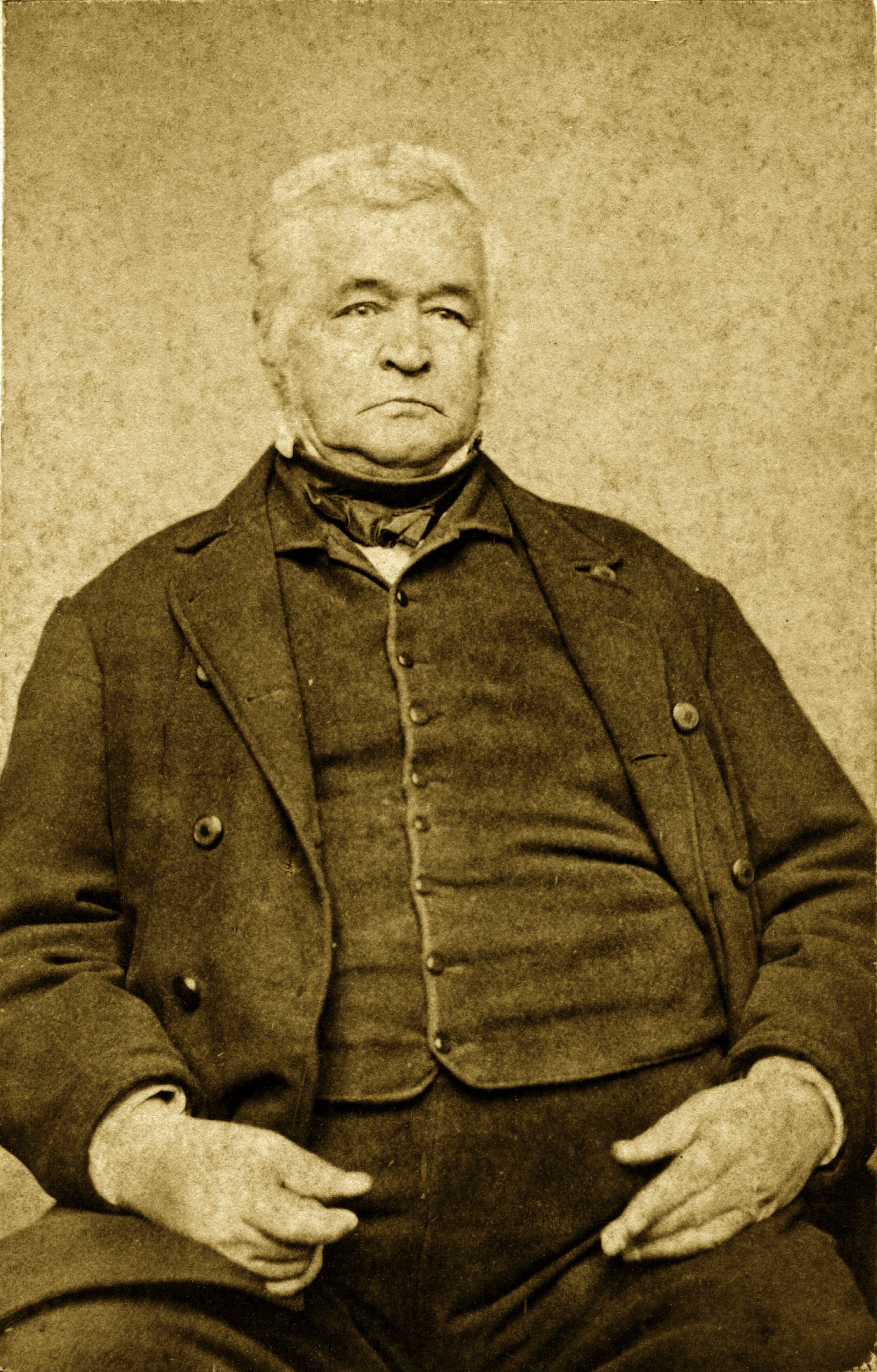
John Hubbard
U.S.A.

Social Media

Personal Background
John Hubbard graduated from Dartmouth College with a strong background in mathematics and later earned a diploma in medicine from the University of Pennsylvania. He practiced medicine in Virginia before establishing a successful practice in Maine. Hubbard served in the Maine Senate and held the office of Governor, during which he signed the first prohibition act in the state. He was also appointed as a commissioner under the Reciprocity Treaty between the United States and Great Britain. Throughout his career, Hubbard advocated for education reform and supported appropriations for various educational institutions.
Political Ideas
John Hubbard's political identity is marked by an intriguing blend of progressive education reforms and a staunch defense of federal authority on slavery. His support for a reform school, an agricultural college, and a female college demonstrates a forward-thinking approach to education, yet his opposition to obstructing the Fugitive Slave Law reveals a commitment to federal supremacy. Hubbard's signing of the "Maine law" adds another layer of complexity, as it juxtaposes his progressive stances with a socially conservative policy. This combination of progressive and conservative positions suggests a calculated approach to policymaking, balancing regional interests with broader ideological commitments.