John J. Parker
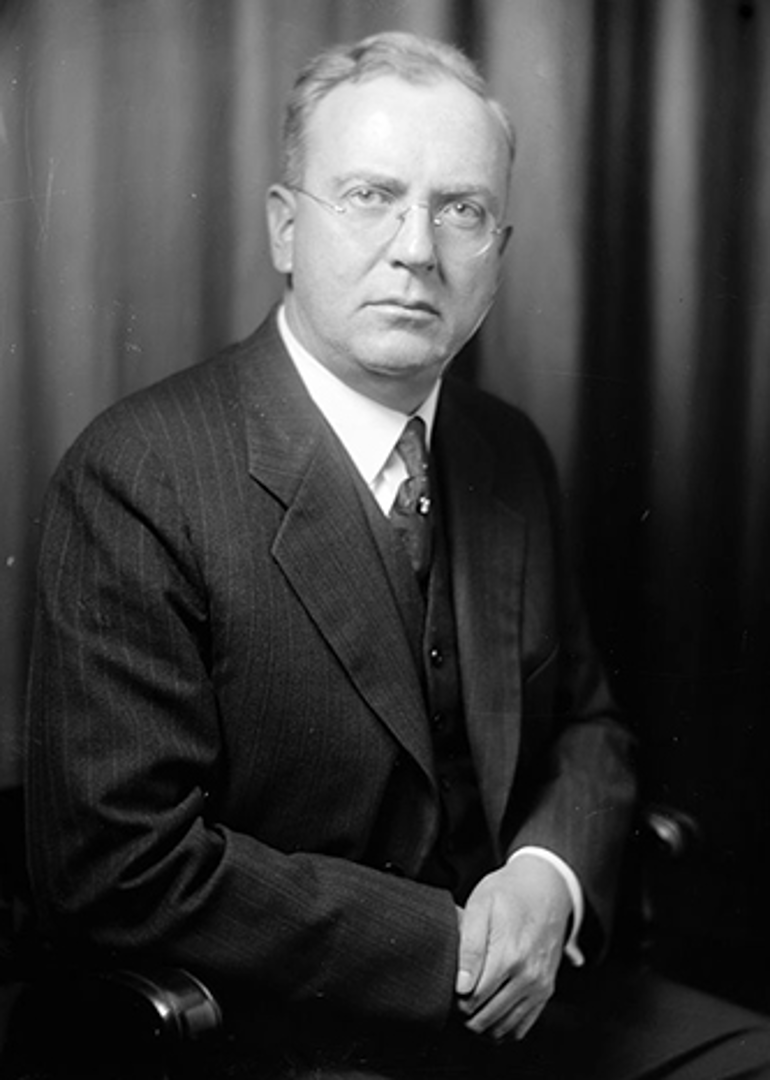
John J. Parker
U.S.A.

Social Media

Personal Background
John J. Parker holds a Bachelor of Arts and a Bachelor of Laws from the University of North Carolina. He practiced law in Monroe and Charlotte before serving as a special assistant to the U.S. Attorney General. Parker was appointed to the U.S. Court of Appeals for the Fourth Circuit and later became its Chief Judge. He also served as an alternate judge on the International Allied Military Tribunal at Nuremberg and was elected to the United Nations' International Law Commission.
Political Ideas
John J. Parker's judicial career reveals a complex ideological stance, particularly in his nuanced approach to segregation and civil rights. His ruling in *Briggs v. Elliott* and his interpretation of *Brown v. Board of Education* suggest a calculated effort to maintain the status quo of segregation through legal loopholes. Parker's "all deliberate speed" doctrine further indicates a strategic delay tactic aimed at circumventing federal mandates. This juxtaposition of legal formalism with a pragmatic avoidance of integration highlights an intriguing tension in his judicial philosophy.