John Lawrence Manning
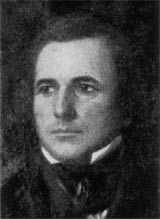
John Lawrence Manning
U.S.A.

Social Media

Personal Background
John Lawrence Manning was born into a prominent South Carolina family and began his political career in the 1840s, serving in both the South Carolina House of Representatives and Senate. He gained significant influence by becoming the Governor of South Carolina in the early 1850s and later played a pivotal role in the state's secession from the Union. Manning's military involvement during the Civil War further cemented his standing, though he declined a U.S. Senate seat post-war. His legacy includes the establishment of Millford Plantation and the naming of the town of Manning in his honor.
Political Ideas
John Lawrence Manning's political identity is steeped in the antebellum South, marked by his fervent advocacy for secession and his significant role in the Confederacy. His ownership of 670 enslaved African-Americans underscores a deeply rooted commitment to the pro-slavery ideology of his time. Despite this, Manning's legislative record shows an unexpected convergence with opposing factions on environmental regulations, revealing a highly calculated approach to protecting regional industrial interests. His personal charisma and demeanor further distinguish him, making him a compelling figure whose complex legacy invites deeper scrutiny.