John Lyde Wilson
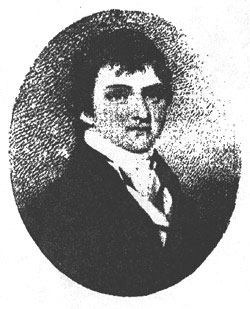
John Lyde Wilson
U.S.A.

Social Media

Personal Background
John Lyde Wilson was admitted to the South Carolina bar in the early 19th century, establishing a foundation in law. He was elected to the South Carolina Senate, eventually becoming its president, and later served as Governor of South Carolina. During his tenure as governor, Wilson advocated for states' rights and opposed federal internal improvements. He also supported the incorporation of the Medical College of South Carolina and the humane reform of the Negro Laws. Wilson's career included periods of re-election to the state Senate and participation in the Nullification Convention, where he was committed to secession.
Political Ideas
John Lyde Wilson's political career is marked by a commitment to states' rights and a surprising willingness to engage in vigilantism. He opposed federal internal improvements while simultaneously advocating for the humane reform of the Negro Laws. His participation in the Nullification Convention and support for secession reveal a deeply rooted belief in state sovereignty. Wilson's endorsement of a Lynching Club and the confiscation of abolitionist literature by a mob highlights an unexpected alignment with extra-legal measures to uphold his vision of order.